If you’re a golfer, you know the game isn’t just about skill—it’s also about the tools you use. Among these, the golf ball plays a crucial role, and its design has come a long way. Multi-layer golf balls, in particular, have revolutionized the sport, offering a blend of distance, control, and feel that was unimaginable decades ago.

But how did we get here? From the early days of feather-stuffed balls to the cutting-edge, multi-layered designs of today, the evolution of golf balls is a fascinating journey of innovation. Understanding this transformation not only deepens your appreciation for the game but also helps you choose the right ball for your own play.
Understanding Golf Ball Construction
Knowing how golf balls are built is key to choosing the right one for your game. Every layer impacts performance, influencing spin, distance, and feel.
The Basics Of Golf Ball Design
Golf balls typically consist of a core, one or more mantle layers, and a cover. The core, usually made of rubber, generates the initial energy for distance. Mantle layers, found in multi-layer designs, fine-tune spin and control. Lastly, the cover’s material—urethane or ionomer—affects durability and short-game performance.
Two-piece balls blend a large core with a durable cover, offering low spin and maximum distance for higher handicappers. Multi-layer options, on the other hand, balance control and feel, ideal for shaping shots and managing spin on approaches.
The Rise Of Multi-Layer Golf Balls
Once limited to simpler designs, modern golf balls include three, four, or even five layers. Each layer serves a purpose. Advanced cores optimize energy transfer without sacrificing compression, while varying mantle stiffness adjusts spin rates. The soft urethane covers seen in premium balls enhance greenside control.
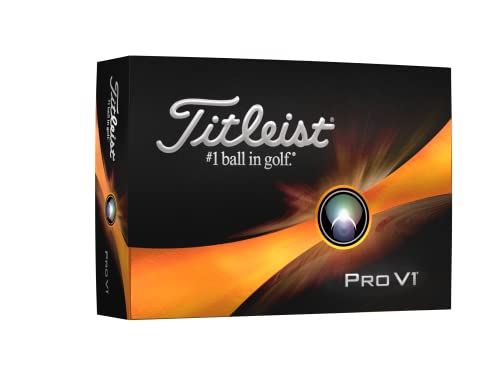
For instance, three-piece balls like the Titleist Pro V1 combine a responsive core with a thin cover for all-around performance. Four-piece models, such as TaylorMade TP5, introduce an extra mantle to separate long shots from short ones. Five-piece constructions go further, creating specific performance for driver, iron, or wedge play.
Early Innovations In Golf Ball Technology
Golf ball technology has come a long way from its humble beginnings. Understanding these early advancements helps you appreciate the performance benefits your modern multi-layer ball delivers today.
Transition From Wooden To Rubber Core
Early golf balls, known as “featheries,” featured leather skins filled with compressed goose feathers. These provided limited distance, poor durability, and inconsistent flight. By the mid-19th century, the gutta-percha ball, or “guttie,” replaced featheries. Made from the dried sap of the Malaysian sapodilla tree, gutties improved durability and offered better control.


« Three-Piece Golf Balls: Are They the Ultimate Upgrade for Mid-Handicappers?
How Dimple Patterns in Different Construction Types Enhance Strength and Performance »
The true revolution began in 1898 with the invention of the Haskell ball, which introduced a solid rubber core wrapped in rubber thread and topped with a gutta-percha cover. This produced significantly more distance and spin, particularly noticeable for players seeking performance on longer fairways. The Haskell core fundamentally changed the game, laying the groundwork for modern golf ball technology.
The Introduction Of Wound Golf Balls
By the early 20th century, wound golf balls dominated the sport. These balls retained the rubber core but wrapped it with tensioned rubber threads, creating a more elastic construction. This design enhanced control and spin, making wound balls an ideal choice for players focused on shot shaping and finesse.
Wound balls also offered a softer feel, aiding in greenside sensitivity. Brands like Titleist and Spalding led the charge, with models such as the Titleist Professional becoming favorites among elite players. However, these balls were prone to durability issues, particularly with high-impact shots. Despite this, the wound construction remained the benchmark for premium performance until the late 20th century.
The Birth Of Multi-Layer Golf Balls
Multi-layer golf balls transformed how you approach the game. They combine cutting-edge design with performance enhancements that are impossible with single-layer or two-piece balls.
Advancements In Core Technology
Modern multi-layer balls start with an energy-filled core. Early cores used solid rubber for better energy transfer compared to wound rubber or liquid cores. Today’s designs use advanced, high-compression materials that maximize initial speed off the tee. For instance, the dual-core structure of a four-piece ball separates energy generation for drivers and irons, helping you achieve longer drives and controlled approach shots.
High-compression cores suit low handicappers, letting you compress the ball fully for distance while maintaining manageable spin. This innovation enables subtle differences, like adjusting your fade or draw off the tee with precise flight patterns.
The Role Of Cover Materials
The cover material directly affects spin and feel. Early two-piece balls relied on durable Surlyn but lacked greenside control. Modern multi-layer balls often feature urethane covers, which optimize both spin consistency and softness. Urethane enhances wedge play and delivers responsive feedback during chips, putts, and delicate approach shots.
For example, balls like the Titleist Pro V1x combine a firmer core with a soft urethane cover, making them ideal for players demanding tour-level control. Despite softer covers being less durable than Surlyn, they provide superior spin in short-game scenarios, letting you stick greens and score efficiently.
Modern Multi-Layer Golf Ball Design
Modern multi-layer golf balls represent the pinnacle of golf ball technology, offering an unmatched combination of distance, control, and feel. As a low-handicap golfer, you rely on the precise engineering of these balls to fine-tune performance for every shot.
Key Features And Benefits
Multi-layer construction enhances your game by delivering specific performance characteristics for different shots. A high-energy core maximizes ball speed and distance, making your drives long and straight. Mantle layers in three, four, or even five-piece designs control spin and optimize flight. A soft urethane cover improves greenside spin and feel, giving you the confidence to attack pins.


Advanced aerodynamics play a key role in modern designs. Dimple patterns like in the Titleist Pro V1x or TaylorMade TP5 eliminate drag and promote a more consistent trajectory under various conditions. The combination of materials and design maximizes energy transfer while balancing durability and shot workability.
If you’re seeking versatility, multi-layer balls allow you to tailor shot outcomes based on swing speed and technique. A lower-compression inner core benefits slower swings, while higher-compression cores cater to faster players looking for greater ball speed. This adaptability ensures performance aligns perfectly with your needs.
Performance Across Different Layers
Each layer in multi-layer golf balls contributes directly to their overall performance. The core is the centerpiece, generating initial speed and providing distance. Dual-core designs, like those in four-piece models, separate high-speed energy for longer shots from softer control for iron play.
Mantle layers refine spin characteristics, helping control shot shape and trajectory. As a low-handicapper, you’ll appreciate how varying stiffness levels influence mid and low iron spin, giving you precision for shaping shots into greens.
Covers are where short-game magic happens. Urethane offers a tacky feel and high spin rates for chipping and putting. Comparing a Pro V1 with a distance-oriented two-piece ball, you’ll notice the control difference immediately when hitting approach shots or bunker saves.
Multi-layer balls are carefully engineered for consistency. Ball-to-ball quality control ensures reliability, meaning you won’t face unpredictable flight patterns or performance gaps during a round.
The Impact On The Game Of Golf
The evolution of multi-layer golf balls has reshaped how golf is played, affecting players of all skill levels. From amateurs learning the basics to professionals competing at the highest level, these advancements have left a noticeable mark.
Influence On Amateur And Professional Players
Multi-layer golf balls provide a clear performance boost for both amateur and professional players. For amateurs, they deliver forgiveness without sacrificing distance. For example, balls like the Callaway Chrome Soft help reduce side spin off the tee, minimizing slices and hooks for straighter drives while offering solid greenside control. Low compression cores aid players with slower swing speeds by maintaining distance, even without high swing power.
For professionals, the precision and reliability of multi-layer designs are game-changing. A tour ball like the Titleist Pro V1x offers optimized spin separation, ensuring lower spin for long drives and higher spin for wedge shots. This allows better shot shaping, improved distance control, and the ability to attack challenging pin positions.
The advanced construction of these golf balls benefits all players by enhancing feel, distance, and spin control, helping golfers tailor their strategy based on course conditions and their skill level.
Evolving Rules And Standards
The rise of multi-layer golf balls has influenced the way governing bodies approach equipment standards. Organizations like the USGA and R&A have implemented regulations to ensure golf ball designs don’t unfairly impact the game’s integrity. Restrictions on initial velocity, overall distance, and size limit how much technology can stretch performance. For example, conforming balls must not exceed a total distance of 317 yards when struck under testing conditions.
Despite these rules, manufacturers continue innovating within the limits. Breakthroughs in dimple patterns, aerodynamic designs, and material compositions keep pushing boundaries while staying within approved standards. As a low handicapper, you can appreciate how these advancements let you maximize playability without compromising the challenges that make golf rewarding.
Conclusion
The journey of multi-layer golf balls showcases how innovation and technology have transformed the game. These modern designs offer a unique blend of distance, control, and feel, catering to players of all skill levels. Whether you’re an amateur seeking forgiveness or a pro fine-tuning every shot, there’s a ball designed to elevate your performance.
Understanding the evolution and construction of these golf balls helps you make smarter choices on the course. With each layer serving a specific purpose, you’re equipped to find the perfect balance between power and precision for your game.