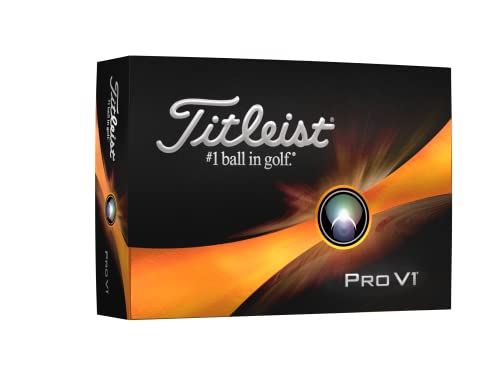
So you’re on the hunt for a golf ball that can stand toe-to-toe with the legendary Titleist Pro V1? You’re not alone. The Pro V1 has set the gold standard for tour-level performance, but what if you’re looking for alternatives that might suit your game just as well, if not better?

Reasons to Compare Golf Balls to Pro V1
When it comes to golf balls, there’s no denying the dominance of the Titleist Pro V1. It’s been a fixture in the bags of touring pros and amateurs alike for years. But, let’s face it; the Pro V1 might not be the magic bullet for your game. Here’s why you should keep your options open:
Personal Playing Style and Preferences
Your swing speed, launch angle, and spin rates are unique. What works for the tour pro on television doesn’t automatically translate to your game. Balls like the Callaway Chrome Soft or the TaylorMade TP5 offer different feels and performance characteristics that might better match your personal style.
Course Conditions and Weather
Variations in course conditions or playing in different weathers can influence the ball’s performance. On a wet day, a ball with lower spin might help you control your shots better, while a dry, fast course might call for something with a bit more bite.
Cost Considerations
The Pro V1 comes with a premium price tag. There are many high-quality alternatives that won’t dent your wallet as much in the long run. Brands like Srixon and Bridgestone offer great performance at a more palatable price point – notably their Z-Star and Tour B series respectively.
Technological Advancements
The golf ball market is continuously evolving. Manufacturers are regularly rolling out new tech and materials that could give you an edge. Staying informed about these developments is vital to ensure you’re not missing out on incremental benefits that newer models may provide.
Don’t get stuck thinking there’s only one ball for tour-level play. In your quest for the perfect shot, it’s worth exploring and comparing a range of options. Refresh your approach, and you might just unlock a new level of performance on the course.
Factors to Consider When Comparing Golf Balls
As you continue your quest to find a golf ball that can stand toe-to-toe with the Titleist Pro V1, bear in mind that not all golf balls are created equal. Your journey should prioritize several key factors to ensure you make an informed decision tailored to your game.
Spin Characteristics play a pivotal role in how a golf ball behaves during flight and upon landing. You know the Pro V1 is renowned for its high spin around the greens, lending to that desirable control and stopping power. While looking for comparables, consider:


- Low spin golf balls tend to decrease side spin, which might help in reducing slices or hooks.
- High spin golf balls offer greater control, particularly for shots around the green allowing you to play more aggressively.
« Best Golf Balls for Slow Swing Speeds: Master Your Game Now
Best Golf Ball for Swing Speed of 90: Unlock Your Peak Performance »
Compression Ratings indicate the feel of a golf ball and its potential energy transfer. As a low handicapper, you’re accustomed to the Pro V1’s softer feel, beneficial for your short game touch and feel. When testing alternatives, see how different compressions react with your club face and swing speed.
Construction and Layering determine the overall performance of the ball. Multi-layered golf balls are designed for players who want to maximize distance without sacrificing control. For your advanced skill set:
- Single-layer balls may not provide the technology edge you seek.
- Multi-layer balls, similar to the Pro V1, offer sophistication in design that can cater to various aspects of play.
Always remember the importance of Price Performance Ratio. While the Pro V1 is at a premium price point, be on the lookout for balls that offer comparable performance at a lower cost. Sometimes, the best value comes from balancing quality with affordability.
Finally, never underestimate the impact of Personal Preference. Each golfer’s feel and visual appeal when it comes to golf balls is unique. Trust your instincts as much as the data when testing different brands and models. Your decision should coincide with confidence in play—because at the end of the day, confidence can be just as vital as the technical specs.
Alternative Golf Balls to Pro V1
When you’re on the lookout for golf balls that can stand toe to toe with the Titleist Pro V1, you’ve got several worthy contenders to check out. It’s no secret that the Pro V1 is a staple for players seeking premium performance, but the truth is, there’s a whole world of golf balls out there that could fit your game even better.
TaylorMade TP5 and TP5x are top-notch alternatives, offering five-layer construction that gives you a similar feel and spin control as the Pro V1. These balls are designed to perform in all conditions, whether you’re teeing off into a stiff headwind or trying to stick it close from 150 yards out. They’re also touted for their durability, which is great if you’re tired of scuffing up balls after just a few holes.
If you’re hoping to save a few bucks without drastically cutting corners on quality, consider the Callaway Chrome Soft. This ball delivers an excellent combination of distance and control, with a four-layer construction that helps you keep shots on line and hit your number. With the Dual SoftFast Core, you’ll notice it’s easier to compress, especially if your swing speed isn’t quite at Tour level.
Maybe you’re the kind of golfer who loves to experiment with the latest technology? Then don’t miss out on the Srixon Z-Star and Z-Star XV. These balls boast a fast layer core and a 338 Speed Dimple pattern which can help reduce drag and enhance lift, giving you that extra bit of carry and roll when you need it. Plus, their Spin Skin technology helps generate more green-side spin without sacrificing distance off the tee.
Here’s a quick rundown:
- TaylorMade TP5/TP5x: 5-layer, high-spin, durable
- Callaway Chrome Soft: 4-layer, softer feel, great value
- Srixon Z-Star/Z-Star XV: Fast layer core, Speed Dimple pattern, Spin Skin technology
While the Pro V1 might be your benchmark, don’t shy away from trying these alternatives. You may just find a ball that elevates your game to new heights. Remember, sometimes it’s all about matching the ball to your unique swing and style of play, rather than sticking with what everyone else is playing.


Performance Comparison: Pro V1 vs. Other Golf Balls
When you’re out on the green, the subtle nuances in golf ball performance can be pivotal to your game. Let’s delve into how the Pro V1 stacks up against its competitors in terms of distance, control, and overall feel.
Distance off the tee is one metric where the Pro V1 excels, but the TaylorMade TP5 and TP5x are fierce contenders. These alternatives offer a comparable, if not a slight advantage in yardage due to their five-layer construction. It’s worth noting, however, that the differences are often minimal and may vary based on your swing.
The Callaway Chrome Soft is renowned for its exceptional control, especially around the green. If short game finesse is part of your forte, you might appreciate the softer feel the Chrome Soft provides. It’s designed to give you more spin and a better stopping ability on approach shots, which could be a game-changer in tight pin placements.
As for feel, the Srixon Z-Star and Z-Star XV are designed to satisfy golfers who demand feedback and precision. The Z-Star series boasts an energetic gradient growth core and a spin skin coating that offers a soft, responsive touch without sacrificing distance.
Every golfer’s swing is as unique as their fingerprint, so the ideal golf ball for your game may not be the Pro V1—it could be one of its competitors. Here’s how these balls stack up against the Pro V1 in key performance areas:
| Aspect | Titleist Pro V1 | TaylorMade TP5/TP5x | Callaway Chrome Soft | Srixon Z-Star Series |
|---|---|---|---|---|
| Distance | Excellent | Comparable/Excellent | Good | Good |
| Control & Spin | High | High | Excellent | Very High |
| Feel | Soft | Soft/Varies | Softer | Soft |
| Price Performance | High | High | Medium | Medium |
Conclusion: Finding the Right Golf Ball for Your Game
Frequently Asked Questions
What factors should I consider when choosing a golf ball?
The primary factors to consider include spin characteristics, compression ratings, construction and layering, price performance ratio, and personal preference.
How do the spin characteristics of golf balls affect performance?
Spin characteristics can influence trajectory and control, with higher spin offering more control around the greens and lower spin providing longer distance off the tee.
What is the significance of a golf ball’s compression rating?
Compression rating affects feel and energy transfer. Lower compression balls tend to be softer and can help slower swing speeds, while higher compression balls are firmer and suited for faster swing speeds.
Why is construction and layering important in selecting a golf ball?
Construction and layering determine a ball’s characteristics. Multilayered balls can offer a combination of distance, feel, and spin control, whereas two-piece balls are generally designed for distance and durability.
Is the Titleist Pro V1 the best golf ball for every golfer?
No, the ideal golf ball varies for each golfer. Factors such as swing speed and style of play make alternatives like the TaylorMade TP5/TP5x, Callaway Chrome Soft, or Srixon Z-Star series worth considering.
What are some of the closest competitors to the Titleist Pro V1?
Close competitors include the TaylorMade TP5 and TP5x, the Callaway Chrome Soft, and the Srixon Z-Star and Z-Star XV, each with their unique features.
How do alternative golf balls compare to the Titleist Pro V1 in terms of distance and control?
Alternatives like the TaylorMade TP5 and TP5x offer comparable distance, the Callaway Chrome Soft is known for its exceptional control, and the Srixon Z-Star series is recognized for feedback and precision.
Can changing my golf ball improve my game?
Yes, trying different golf balls can lead to improvements in distance, control, and overall feel, depending on a ball’s suitability for your unique swing and style of play.