
Choosing the right golf ball for your swing speed can be as crucial as selecting the perfect club. Ever wonder why your buddy’s golf ball soars further, even though you’re swinging just as hard? It’s all about the ball, my friend.

Why Swing Speed Matters in Golf
Swing speed is a critical factor in golf that tends to dictate the choice of equipment, especially golf balls. Understanding your swing speed is vital because it directly influences the ball’s flight and how it behaves upon landing. Don’t worry if you’ve not clocked yours yet; any local golf shop will help.
Golfers with higher swing speeds can compress the ball more upon impact, leading to greater distance. If you’ve got a swing speed upwards of 100 mph, you’re probably generating a healthy amount of ball compression. This kind of speed can make the ball soar through the air, reducing air resistance and enhancing the distance.
On the flip side, if your swing speed is on the lower end, say around 85 mph, it’s about finding the right ball. Balls designed for slower swing speeds can help maintain distance through better energy transfer. They’re often constructed with a softer core which reacts more to less forceful impacts.
Here’s a thing to note: the relationship between swing speed and golf ball type is not just about distance. It’s also about control. Balls for higher swing speeds generally provide less spin off the tee, which is great if you’re looking to improve driving distance. However, these balls can be less manageable on the greens, where finesse is king.
At the end of the day, finding the right match is always about balance. Here are some factors to keep in mind:
- Ball Construction: Multi-layer balls are best for high swing speeds, whereas two-piece balls are suited for moderate speeds.
- Compression: A higher compression ball is ideal for fast swingers, while a lower compression suits a slower swing.
- Spin: Decide if you need a ball that maximizes distance with less spin or one that provides more control with higher spin rates.
Remember that equipment choices, including golf balls, are highly personal. What works for others may not be the ideal fit for you. Keep testing until you find your perfect match, and you’ll likely see improvements in your game without changing your swing.
Understanding Your Swing Speed
You’ve likely heard the term “swing speed” tossed around on the course or perhaps in the latest golf magazine. But what does it really mean for you and your game? Simply put, swing speed measures how fast you’re able to swing the golf club. It’s generally recorded in miles per hour (mph), and it has a direct effect on how far and in what trajectory your golf ball will travel.
how do you determine your swing speed? Well, it’s not something you can accurately estimate by feel alone. You’ll want to use a launch monitor or a speed measurement device at your local golf retailer or with a teaching professional. These devices provide precise data that can bolster your understanding of your personal playing style. Look for trends over a series of shots to get your average swing speed, not just a one-off fastest swing.


Swing Speed Ranges
« Best Golf Balls for Seniors Golf Digest: Spin, Feel & Control Revealed
Most Golf Balls Hit in an Hour: Can You Beat the Record? »
Here’s a rough breakdown of swing speed ranges:
| Skill Level | Average Swing Speed (mph) |
|---|---|
| Professional Golfers | 110 – 130 |
| Low Handicappers | 95 – 110 |
| Average Players | 80 – 95 |
| High Handicappers | 65 – 80 |
If you’re like most dedicated golfers, you’re probably looking to move up a category or at least maximize what you can do within your current range. It’s essential to understand that improving your swing speed shouldn’t come at the expense of accuracy or consistency. Sometimes, it’s not about swinging harder, but rather swinging smarter.
Factors Influencing Swing Speed
Several factors can influence your swing speed, including:
- Physical fitness: Strength and flexibility have a profound impact on how you swing the club.
- Technique: The efficiencies in your swing mechanics can either add or subtract valuable mph from your swing speed.
- Equipment: Using clubs that don’t fit your swing can hinder your performance. The right shaft flex, weight, and club length are critical.
How to Measure Your Swing Speed
Getting an accurate measurement of your swing speed is crucial for picking the right golf ball. You’ll be surprised how this data can transform your game. Whether you’re teeing off with a driver or iron in hand, knowing your numbers helps tailor your equipment choices. So, how exactly do you get these figures?
First off, launch monitors are your best friend when it comes to precision. These gadgets use radar or camera systems to track your golf ball and provide a myriad of data points, including your swing speed. Top-tier driving ranges or golf instructors often have these tools on hand. If you’re serious about your game, consider investing in a personal launch monitor for regular practice sessions.
Another handy device is a speed measurement tool, typically more affordable and portable than a full-fledged launch monitor. These tools, such as swing speed radars, focus specifically on measuring the speed of your club as it moves through the air. It’s an excellent option if you’re looking to focus purely on speed without the detailed analytics of a launch monitor.
For a quick and cost-free method, there’s the DIY approach with a simple formula. Head to the range and keep track of the average distance your drives are traveling. Then, use this basic equation:
[ \text{Swing Speed (mph)} = \frac{\text{Distance (yards)}}{2.3} ]
This calculation assumes a good strike with no wind interference and normal rollout. It won’t be as precise as electronic measurements, but it gives a ballpark figure to start from.
Lastly, remember swing speed can fluctuate, so it’s wise to measure it regularly. Work with a pro to analyze your numbers and remember, while speed is key, it’s all about how you use it to lower those scores. Keep tabs on your progress and use the data to your advantage. With the right golf ball that matches your swing speed, you’re on your way to optimizing your game.


Factors to Consider when Choosing a Golf Ball
When you’re on a quest to find the perfect golf ball that complements your swing speed, you’re looking for more than just distance. It’s about finding a ball that feels like an extension of your club and your technique.
Compression is a term you’ll hear frequently. It refers to the degree of squish a golf ball undergoes when it’s hit. Lower compression balls are typically better for players with slower swing speeds, but don’t be fooled into thinking that’s all there is to it. The true feel on the clubface and the control you have around the greens are also vital.
Consider the construction of the ball. The number of layers range from two to six, with multiple layers typically providing better performance customization to match your style of play. For example, a four-piece golf ball might offer more spin control and feel. But then again, keep in mind that the more sophisticated the ball, the better you need to be to take advantage of its features.
Next, dimple pattern might seem like just another aesthetic feature, but it actually has a huge impact on the aerodynamics of your ball. Diverse patterns can affect trajectory and stability, enabling you to fine-tune how you want your ball to behave in the air.
But let’s not neglect the spin. There are balls designed for low spin, reducing the chances of a hook or slice, and balls designed for higher spin, offering you more control and stopping power on greens. Your swing speed and skill level will help you determine your spin needs.
Lastly, the feel of the ball at impact is something that you shouldn’t overlook. Firm balls may give you more distance, but a softer ball might help with your short game. Experimentation here is key; how a ball feels to you can drastically affect your confidence and performance.
Remember, whilst the right golf ball can assist in your gameplay, it’s ultimately your skill that makes the most significant difference on the course. So, get out there, try out different types, and find the one that feels just right in your game.
Finding the Right Golf Ball for Your Swing Speed
As an avid golfer with a low handicap, you understand the nuanced game of golf where every element counts. You’ve mastered your swing, dialed in your accuracy, and refined your game strategy; now it’s time to ensure your equipment matches your skill level, starting with the golf ball. Finding the right golf ball for your swing speed isn’t just about looking at what the pros use; it’s about personal feel and how the ball performs with your unique swing.
When it comes to swing speeds, it’s widely acknowledged that golfers with higher swing speeds tend to benefit from golf balls with a higher compression rating. High compression golf balls are designed to handle the force from your powerful swing and won’t compress too much, leaving you with maximum energy transfer and more distance. A lower compression ball, on the other hand, can add distance for players with a slower swing by compressing more easily and providing a helpful spring off the clubface.
Your swing speed is pivotal in making this choice. Most golfers fall into two main categories:
- High swing speed golfers, usually with speeds over 105 mph
- Moderate to low swing speed golfers, with speeds under 85 mph
Here’s a quick breakdown of the types of golf balls corresponding to these categories:
| Swing Speed Category | Recommended Golf Ball Type |
|---|---|
| High Swing Speed Over 105 mph | Multilayer, high compression |
| Moderate to Low Swing Speed Under 85 mph | Two-piece, low to mid compression |
Keep in mind that these are guidelines, not fixed rules. Within these categories exist subtypes designed for spin control and other performance specifics, which is why testing different balls can become beneficial for honing in on the perfect match for your game.
Remember to pay attention to the dimple pattern and construction of golf balls. These factors also heavily influence the flight path and overall performance of the ball in various conditions. Whether you’re playing on a calm day or facing gusty winds, choosing a golf ball with the right aerodynamic qualities can make a noticeable difference in your play.
High Swing Speed: Best Golf Ball Options
If you’re cranking drives past the 260-yard mark, your swing speed’s likely sitting above the average. High swing speed golfers typically flourish with high compression golf balls, which are designed to handle the force you bring to each swing. You’ll notice these balls have a firmer feel, and they’re more resistant to deformation upon impact.
With a high swing speed, you need a ball that can convert your power into distance and control. Tour balls, often high in compression, can offer the performance you’re striving for. They combine durability with a level of control and feel around the greens that’s hard to beat.
Here are a few options tailored for high-speed swingers:
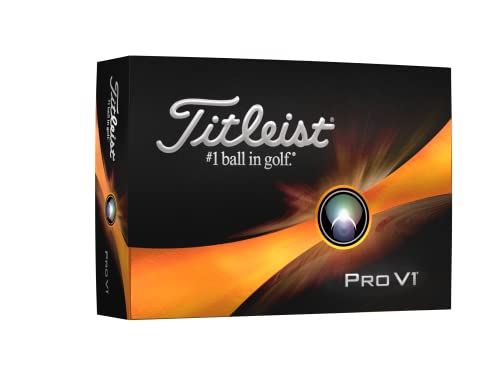
- Titleist Pro V1x: With its high compression rating, this ball offers the distance you’re after and the spin control crucial for your short game.
- Bridgestone Tour B X: Engineered to complement your power, this ball promises enhanced feel and accuracy, especially off the tee.
- Callaway Chrome Soft X: Though slightly lower in compression, it strikes a balance between distance and soft feel, suitable for a wide range of high-speed players.
Remember, the right ball is one part science, two parts feel. Testing different balls under varying conditions will help you zero in on the choice that complements your swing and playing style. Also, take a look at how each ball performs in the wind. Some are designed to combat drag and maintain their line better than others, giving you an edge on blustery days.
While the list above is a solid starting point, the best way to find your ideal match is to consider your specific needs. Do you value long, soaring drives or are you looking for more workability with your irons? Pay attention to how each ball affects these aspects of your game, and you’ll be well on your way to optimizing your performance off the tee.
Medium Swing Speed: Best Golf Ball Options
If you fall into the medium swing speed category, typically between 85 and 104 mph, you’re in the heart of the amateur golfers’ range. You’ll want a golf ball that offers a balance between distance and control. At this swing speed, you can still compress the ball enough to get good distance, but you don’t need the high compression balls designed for the fastest swingers.
Here’s what to look for:
- Moderate compression: Aim for balls with a compression rating between 60 and 90. This ensures you maximize energy transfer without needing the speed of a Tour pro.
- Multi-layer construction: Look for golf balls with at least three layers. These will give you a better mix of distance off the tee and spin control around the greens.
- Urethane cover: Although they’re a bit pricier, urethane covers help with green-side control without sacrificing too much distance.
Some top options for medium swing speeds include:
- Titleist Tour Soft: Known for great feel and impressive distance, it’s a solid all-rounder.
- Srixon Q-Star Tour: Offers tour-caliber performance with a softer feel ideal for your swing speed.
- TaylorMade Project (a): Targets players looking for more spin on mid-to-short irons while maintaining distance off the tee.
Don’t forget to consider how each ball performs in various course conditions. And remember, just like with the high-speed offerings, you’ll want to test a few different balls. When you find one where your drives are consistently flying straight and true, your irons are precise, and your short game feels comfortable, you’ve likely found a match. It might take a bit of trial and error, but when your swing clicks with the right golf ball, you’ll know — the course becomes more enjoyable, and those pars and birdies start to look a lot more achievable.
Low Swing Speed: Best Golf Ball Options
For those of you wielding a driver with a low swing speed under 85 mph, your focus should be on maximizing distance and achieving optimal flight with the right golf ball. At this speed, you’ll want to avoid high compression balls that require more force to achieve the ideal deformation on impact — something that’s outside of your wheelhouse.
Instead, let’s aim for low to medium compression golf balls, which tend to compress more easily, enabling you to get more distance out of your shots. You’ll also benefit from balls with a softer feel, which can enhance your control, particularly around the greens.
Your ideal checklist should include balls with the following attributes:
- Low to medium compression (rating around 30 to 50)
- Two-piece construction
- Soft covers, such as Surlyn or ionomer
Models like the Callaway Supersoft and the Wilson Staff DUO are tailor-made for your swing. Both are renowned for delivering excellent performance without breaking the bank. The Callaway Supersoft, in particular, is known for its ultra-low compression core, which invites more spring off your clubface.
| Brand | Model | Compression Rating |
|---|---|---|
| Callaway | Supersoft | Very Low |
| Wilson Staff | DUO | Low |
| Titleist | DT TruSoft | Medium Low |
The Titleist DT TruSoft is another prime candidate, with a medium-low compression rating; it’s a fantastic option for those seeking the premium quality commonly associated with Titleist golf balls at a swing speed-friendly compression level.
Remember, while the right golf ball can make a significant difference, you still need to match the ball to your specific playing style. Take the time to test different models and brands. Many manufacturers offer trial packs, allowing you to sample a range of balls without committing to a full dozen. This way, you’ll find the perfect ball that not only complements your swing speed but also your technique and approach to the game.
Conclusion
Frequently Asked Questions
What is the ideal golf ball for a low swing speed under 85 mph?
For swing speeds under 85 mph, golfers should aim for golf balls that maximize distance and provide optimal flight, typically low to medium compression balls with softer covers like Surlyn or ionomer.
Why is ball compression important for golfers with low swing speeds?
Ball compression is crucial for low swing speed golfers because a proper compression level ensures better energy transfer from the club to the ball, resulting in greater distance and improved performance.
What are some recommended golf ball brands for low swing speeds?
Recommended golf balls for players with low swing speeds include the Callaway Supersoft, Wilson Staff DUO, and Titleist DT TruSoft, all of which are designed for better distance and flight at lower swing speeds.
How can I determine the best golf ball for my playing style?
To find the best golf ball for your playing style, it’s important to test different types and brands of balls in various conditions and take note of how they affect your distance, accuracy, and overall game.