Ever wondered why some golf balls seem to stick the green better than others? It’s all about the spin. The right ball can make all the difference in your short game, giving you that backspin that impresses your buddies and shaves strokes off your score.

The Importance of Spin in Golf
Spin, the often invisible hand guiding your golf ball, may just be the unseen edge you’ve been searching for on the course. When you strike the ball just right, you’re not only seeking distance but also control. That’s where spin comes into play, literally shaping the trajectory and behavior of your shot.
More spin equals more control, especially around the greens. You know the feeling when you hit that crisp wedge shot, and the ball dances on the green, only to stop just inches from the pin? That’s spin working its magic. It’s not about luck; it’s about choosing the right golf ball and mastering your swing to maximize its potential.
But it’s not as straightforward as picking any high-spin ball. Every golfer’s style is different, and your swing speed plays a crucial role. Lower swing speeds may warrant a softer ball that can be compressed more easily, thereby generating more spin off the clubface. Meanwhile, if you’re swinging faster, a firmer ball might be the key to achieving that perfect backspin that holds greens.
Consider the conditions you often play in. Windy day? A ball with higher spin can be a double-edged sword; you’ll gain precision on low shots but might struggle with control in the air. Conversely, a calm day sets the stage for you to take full advantage of a high-spin ball, attacking pins with confidence.
Your equipment also factors in. With modern wedges designed to create maximum spin and technology that allows for intricate control, pairing them with the appropriate ball can elevate your short game to new heights.
Don’t forget to experiment on the practice range. Pay attention to how differently each ball reacts when you’re chipping and pitching. Observing the ball’s behavior during these shots gives you a preview of its performance during play. By refining your skills and understanding spin, you’ll turn heads the next time you’re up-close to the green, as your ball spins back towards the hole with precision that seems almost effortless.
Factors Affecting Spin on a Golf Ball
As you’re diving into the world of golf balls and their spin characteristics, it’s essential to understand the different factors that can influence how much spin you’re able to generate. Knowing these can help you select the most appropriate ball for your playing style and course conditions.
Golf Ball Construction is one of the primary determinants of spin. The materials used in the core and cover, as well as the overall design and number of layers, will significantly affect the ball’s ability to spin:


- Two-piece golf balls are generally designed for distance and durability, with less emphasis on spin.
- Multi-layer balls integrate softer materials and specialized cores to increase spin, particularly advantageous for your short game.
« What Is a Golf Ball Line Marker? Master Putting with This Secret Tool
How Do You Make a Golf Ball: Secrets of Flight & Dimples Revealed »
The Cover Material, typically made from urethane or Surlyn, also plays a crucial role. Urethane covers are softer and allow for more bite and spin on the greens compared to the more durable Surlyn covers.
Another key aspect is the Dimple Pattern. Dimples on a golf ball are not merely aesthetic; they impact airflow around the ball, affecting lift and drag. Manufacturers design these patterns to fine-tune the balance between distance and spin.
- Shallow dimples generally result in more spin.
- Deeper dimples can reduce spin and enhance distance.
Let’s not forget the Club Grooves. The condition and type of grooves on your wedges can make a marked difference in the amount of spin you can impart:
- Fresh, sharp grooves are crucial for maximizing spin.
- Worn grooves may reduce your ability to control and spin the ball effectively.
Lastly, Swing Speed and Attack Angle come into play. If your swing is faster, you’ll naturally impart more spin. Similarly, a steeper attack angle can increase the ball’s backspin.
- Players with higher swing speeds often benefit from balls that focus on control and less spin to avoid over spinning the ball.
- If you have a slower swing, a ball designed to enhance spin can give your shots the extra control you need.
Understanding Golf Ball Construction
When choosing a golf ball that’ll give you the most spin, you’ve got to dig into the construction of the ball itself. Let’s break it down for you so you’ll know what you’re hitting the next time you’re out on the greens.
Golf balls have multiple layers, each serving a different purpose. The core is the engine of the ball, generating the initial velocity. Typically, a softer core means more spin and control, which can do wonders for your short game. However, if you’ve got a faster swing speed, you might benefit from a firmer core to maximize distance.
Surrounding the core, you’ll find one or more mantle layers. These intermediate layers act as a bridge between the soft core and the harder outer cover, providing a blend of distance and feel. Think of it as the best of both worlds—helping to amp up the ball speed without sacrificing too much control.
The outer cover of the ball can greatly influence spin. Urethane covers are often associated with premium, tour-level balls and are softer, providing that extra bit of grip on the clubface for increased spin, especially around the greens. Conversely, Surlyn covers are harder, more durable, and typically found on balls designed for distance, but they may not provide the same level of spin control as urethane.
Here’s something you might not have considered: the interaction between these layers. A high-performance ball’s inner layers can be engineered to react to your swing speed, compressing at impact and imparting additional spin as they snap back to shape.
On top of that, advancements in technology have made it possible to create gradient cores—where the core has varying levels of hardness. You guessed it—this variation allows you to achieve a soft feel and high spin on short shots while maintaining lower spin and more distance off the tee.


By analyzing these characteristics, you’re on the right track to identifying a ball that complements your game, especially if spinning the ball is a priority for you. And remember, while the construction of the ball is crucial, it’s your skill and technique that bring it all together on the course. Choose a ball that feels right for your game, and don’t be afraid to try out a few different types before settling on your magic sphere.
High Spin Golf Balls: Do they really make a difference?
When it comes to choosing a golf ball, you might wonder if the extra spin is worth the hype. High spin golf balls are engineered to increase backspin when you strike the ball, which is a golden ticket for better control, especially around the greens. But what’s the real impact on your game?
The added spin can make a world of difference in your short game—allowing your shots to stick on the green, rather than rolling off or away from the pin. If you often find yourself chipping and pitching close to the hole, a high spin ball could be your new best friend.
On the flip side, these balls require a certain level of skill to control. As a low handicapper, you’ve mastered the finesse needed to optimize that extra spin, leveraging it for the most precise shots possible. But remember, not everyone’s game can handle the sensitivity of high spin balls. If your swing speed isn’t up to par or you struggle with control, high spin might enhance unwanted side spin resulting in hooks or slices.
Choosing the right ball takes a bit of trial and error. Here’s what to look out for:
- Construction: Multi-layer balls with softer covers typically produce more spin.
- Cover Material: Urethane covers are known for offering greater spin compared to surlyn.
- Compression: Low compression balls tend to enhance spin for players with slower swing speeds.
It’s not just about what golf ball produces the most spin—it’s about the right spin for your game. High spin balls can transform your approach shots, but it’s essential to pair them with your abilities and swing characteristics.
Next time you’re at the golf shop, pick up a sleeve of high spin golf balls. Focus on your swing dynamics at the practice range and note the performance of each shot. The green is your canvas, and with the right ball, your short game can paint strokes of precision you never thought possible.
Testing and Comparing Different Golf Ball Brands
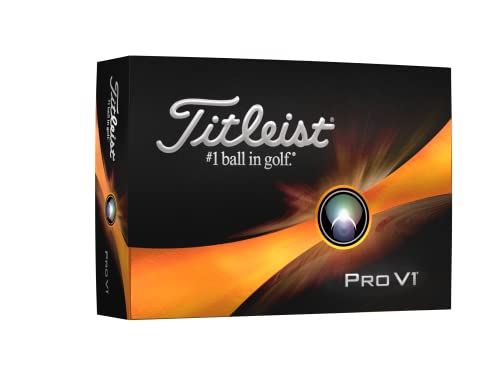
When you’re on a quest to discover which golf ball produces the most spin for your game, conducting your own testing is invaluable. Don’t shy away from directly comparing brands; after all, each ball you strike whispers a secret about its performance. Start by selecting a variety of popular brands known for their high-spin characteristics. Options like Titleist Pro V1, Callaway Chrome Soft, and TaylorMade TP5 should make it onto your testing list.
Before heading to the range, remember that a consistent approach is key. Use the same club, under similar weather conditions, and pay careful attention to your swing mechanics. This ensures the spin is truly a reflection of the ball’s performance, not variances in your play.
Create a simple yet effective testing regime at the driving range or practice area. Hit a series of shots with each ball and notice the trajectory and landing behavior. Are they checking up quickly? Do they balloon in the wind or pierce through with a penetrating flight?
- Short Game Shots
- Execute a series of chip shots
- Observe first bounce and subsequent roll
- Full Swing
- Ensure a good mix of wedge, iron, and driver shots
- Evaluate flight stability and stopping power on the greens
For those who thrive on data, using a launch monitor can reveal insightful spin rates and angles.
| Golf Ball Brand | Average Spin Rate (rpm) | Peak Height (yards) | Descent Angle (degrees) |
|---|---|---|---|
| Titleist Pro V1 | 6000 | 30 | 48 |
| Callaway Chrome Soft | 5500 | 28 | 47 |
| TaylorMade TP5 | 5800 | 29 | 49 |
Notice the feelings each ball evokes as you perform your swing. Can you sense the difference in feedback from the clubface? Is there a preference shaping up?
While you can’t overstate the importance of personal feel and confidence in your golf ball choice, try not to let preconceived notions steer your decision. Give each brand a fair shot. Remember, the goal is to pinpoint the ball that reacts predictably and provides the edge you need, particularly around the greens.
Conclusion
Frequently Asked Questions
What is the best golf ball for spin?
Every golfer may have a different “best” ball for spin due to personal preferences and playing style. The article highlights Titleist Pro V1, Callaway Chrome Soft, and TaylorMade TP5 as notable options for their high-spin characteristics.
How should I test golf balls for spin?
To test golf balls for spin, use the same club for each ball and pay close attention to maintaining consistent swing mechanics. Compare their trajectories, landing behaviors, flight stability, and stopping power to assess their spin qualities.
Does the choice of golf ball really affect spin?
Yes, the choice of golf ball can significantly affect spin. Differences in ball construction and design can lead to variations in spin rates, which in turn influence the ball’s flight and behavior on the greens.
What should I look for besides spin when choosing a golf ball?
Besides spin, consider the ball’s performance around the greens, including feel and confidence it gives you. Also evaluate its trajectory, flight stability, landing behavior, and stopping power.
Is personal feel important when selecting a golf ball?
Personal feel is extremely important when selecting a golf ball as it can affect your confidence and performance. The article suggests that while technical performance is important, the golfer’s comfort with the ball should not be overlooked.