Ever wondered why some golf balls seem to soar farther than others? It’s not just your swing that’s making the difference. The secret could very well lie in the dimples, the core, or even the cover of the ball you’re teeing off with.

In your quest for the perfect drive, you’ve probably asked yourself which golf ball will give you the edge. Well, you’re in luck because we’re about to dive into the nitty-gritty of golf ball aerodynamics and unveil which balls are known for their distance-defying flights.
Stick around as we explore the factors that influence a golf ball’s journey from tee to green and highlight the top contenders that promise to add those extra yards to your game. You might just find your new favorite ball that’ll have your buddies watching in awe as your drives consistently outdistance theirs.
Factors that influence a golf ball’s distance
When you’re eyeing that distant flag, the performance of your golf ball weighs heavily on the outcome of your shot. It’s not just about the power of your swing; several critical factors can affect how far your ball will soar down the fairway.
Core Composition
First up, let’s talk about the engine of the golf ball – the core. It’s where most of the energy from your swing is transferred. High compression cores are favored by you, the low-handicappers, looking for greater control and a more piercing ball flight. On the other hand, low compression cores can add distance for those with slower swing speeds.
Dimple Pattern and Coverage
You can’t overlook the importance of dimple patterns and coverage. These tiny indentations on the ball’s surface are critical for reducing drag and enhancing lift. Balls with more dimples can often fly more reliably in various conditions. Whether it’s a humid morning or a breezy afternoon, the dimple design can help stabilize the ball’s trajectory.
Ball Cover Material
Then there’s the cover. Urethane-covered balls are known for providing an excellent feel and high spin on greens, which you love for the control it offers. However, when it comes to distance, Surlyn or ionomer-covered balls might give you an edge as they tend to reduce spin off the tee, helping you achieve those extra few yards.
Swing Speed
Lastly, your swing speed is a non-negotiable influencer. If you’ve got the speed, higher compression balls are likely to travel further. Conversely, if your swing is more about precision than power, a lower compression ball could give you the edge.
Remember to choose a ball that complements your swing dynamics rather than just opting for what’s popular. Matching the ball’s characteristics with your playing style can make a significant difference in how your ball behaves once it’s airborne. Keep testing and tweaking – your perfect golf ball is out there waiting to be struck.

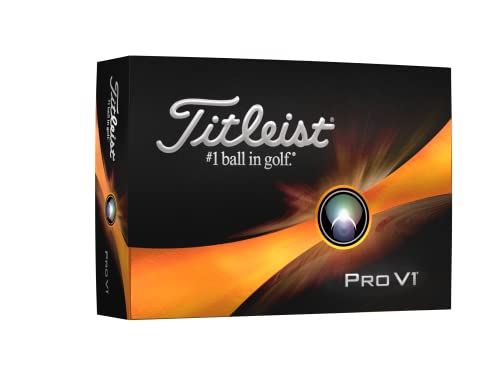

The role of dimples in maximizing distance
« Which Golf Ball Is Best for Me Quiz: Find Your Perfect Match
Can You Recycle Golf Balls? Unveiling Eco-Friendly Golf Secrets »
As you stand on the fairway, eager to notch up the yards on your drive, it’s the golf ball in your hands whispering the possibilities. The secret to that extra distance? It could very well be the dimple pattern on your golf ball. These small indentations are more than just a design; they’re a marvel of physics working to enhance your game. When your club strikes the ball, it’s the dimples that take over, dictating aerodynamics.
Here’s the scoop: dimples reduce air resistance and influence the boundary layer around the ball during flight. A smooth ball would be a simple victim of drag, losing steam and succumbing to gravity way too soon. Dimples create turbulence, allowing the ball to cut through the air, maintaining speed and boosting lift. That’s the ticket to greater travel distance. And it’s not just about quantity; the quality and arrangement of dimples are crucial for optimizing flight.
Professional testing reveals that dimple designs differ from ball to ball, tailored to specific outcomes:
- Size
- Shape
- Depth
- Pattern
These factors influence how the ball reacts off the tee. Manufacturers tinker endlessly, seeking the dimple configuration that reduces drag and maximizes lift for most players.
Take a standard tour-level golf ball. You’ll notice it generally has between 300 and 500 dimples. You might think more is better, yet it’s all about finding the sweet spot. Too few dimples and the ball won’t stay aloft long enough. Too many, and you could be compromising on distance due to increased drag.
Next time you’re in the pro shop, you might want to dive into a little experiment. Pick up different balls, compare their dimple patterns and imagine the aerodynamic effects. Consider your swing speed, angle of attack, and the trajectory you desire. While the right dimple design won’t fix a slice or turn you into a pro overnight, it’s a detail that, when matched with your playing style, can offer a noticeable edge.
How the core of a golf ball affects its flight
When you’re fine-tuning your equipment to get those extra yards on your drive, you might not immediately think of the golf ball’s core as a factor. But, it’s as crucial as the dimple design. The core can significantly influence the distance and trajectory of your golf ball.
The core of a golf ball is like the engine behind its performance. Golf ball manufacturers typically use a combination of rubber compounds to create the core, and it’s here that the ball’s compression is determined. Compression can impact the feel of the ball and how it reacts upon impact with your club. Your swing speed plays a big part in this equation. Higher compression balls are better suited for you if you’ve got a fast swing, as they tend to travel farther.
Lower compression balls, on the other hand, can help if your swing is slower. They compress more easily, meaning less force is needed for the ball to deform and rebound off the club face. This results in less spin and often, a straighter flight path.
Let’s talk about the layers, too. Nowadays, golf balls come in a variety of constructions, ranging from two layers to five. Additional layers can tweak the way the ball behaves. For instance, a ball with more layers usually means each layer can be engineered to perform a specific task, like controlling spin on chip shots or providing extra distance off the tee.


However, remember that extra layers often translate to a firmer feel and that might not be to your liking, especially if you value a softer feel for those delicate putts and chips. Balancing the number of layers with the compression that suits your swing speed is key to finding a ball that will give you both the feel and the distance you desire.
Keep in mind, though, that the overall performance of a golf ball comes down to the synergy between the core, the layers, and the cover – not to mention the critical role of the dimples. It’s all about how these elements interact with your unique swing. So while you’re pondering that dimple design, don’t neglect the heart of the ball. Your choice in golf ball could unlock new levels of distance and control, elevating your game beyond what you thought possible.
The impact of the cover on a golf ball’s distance
When you’re sizing up a shot on the tee, you’ve probably thought about your clubs, your stance, and your swing, but have you considered the impact your ball’s cover has on the distance it will travel? Golf ball covers play a crucial role in aerodynamics and control, which in turn affects how far the ball can fly.
The cover is not just a protective layer; it’s designed to interact with the dimples to influence flight characteristics. A softcover, typically made of urethane or surlyn, offers more spin, which can enhance control on the greens. You might be sacrificing a bit of distance for that extra control, but if you’re adept at shaping shots, the trade-off can be well worth it.
In contrast, a harder cover can lead to reduced spin, which might just be what you need for that extra carry off the tee. It’s a simple physics principle at play here: less spin often translates to straighter, longer shots. When you hit a ball with a harder cover, you’re likely to see a reduction in sidespin, which can be especially beneficial if you’re prone to the occasional slice or hook.
It’s not just the material but also the thickness of the cover that counts. A thinner cover can enhance the feel and allow better performance on precision shots. However, when your priority is distance, a thicker cover could prove more effective by transferring the energy of your swing more efficiently — a critical factor for those long par 5s.
Remember, though, that the cover is just one part of a complex interplay of golf ball design elements. While your swing speed and style will greatly influence your choice, don’t overlook the cover’s composition as you search for the ball that will give you those extra yards. Experiment with different types and observe how each responds to your swing. The quest for the perfect golf ball is all about finding the right balance for your individual game.
Comparing different golf balls for maximum distance
When hunting for the golf ball that’ll carry the furthest down the fairway, you’ve got to consider the core composition. Golf balls with a solid core, often layered, are engineered to maximize distance. A multi-layered core can be a game-changer, as it’s designed to provide a high initial velocity upon impact.
Now let’s take a look at a few golf ball models that are touted for their distance:
- Titleist Velocity: It’s all in the name with Velocity. This ball packs a larger and faster LSX core and is complemented by a spherically-tiled 328 tetrahedral dimple design; these translate to big leaps off the tee.
- Callaway Warbird: Here’s another one that’s known for its large, soft high-energy core. The Warbird’s two-piece construction and thin cover are crafted to enhance your swing speed and shoot the ball off into the distance.
- TaylorMade Distance+: With the Distance+, TaylorMade focuses on speed, pairing a reactive core with a 342 aerodynamic dimple pattern to cut through the air.
These balls are distinct in their make-up, but they share a common goal: sheer distance.
Here’s a snapshot of how some of these golf balls stack up in terms of construction, feel, and of course, the potential distance they can provide:
| Golf Ball Model | Core Type | Cover Material | Dimple Pattern | Feel | Distance Potential |
|---|---|---|---|---|---|
| Titleist Velocity | Larger LSX Core | NaZ2 Ionomer | 328 Tetrahedral | Softer | High |
| Callaway Warbird | Soft High-Energy Core | Ionomer | HEX Aerodynamics | Firmer | High |
| TaylorMade Distance+ | REACT Core | Iothane | 342 Aerodynamic | Medium | High |
Conclusion
Frequently Asked Questions
What factors impact a golf ball’s distance?
Golf ball distance is influenced by its core composition, cover material, dimple pattern, and the initial velocity upon impact. Factors such as the golf club used, swing speed, and environmental conditions also play significant roles.
What is the importance of a golf ball’s core composition?
The core composition of a golf ball is crucial as it determines the ball’s energy transfer from the club upon impact, influencing the ball’s initial velocity and overall distance capability.
How do multi-layered cores affect golf ball performance?
Multi-layered cores are designed to maximize distance by providing a higher initial velocity when struck, contributing to the ball’s overall travel distance.
What are some golf ball models known for their distance?
Notable golf ball models known for their capability to cover long distances include the Titleist Velocity, Callaway Warbird, and TaylorMade Distance+.
Are there different types of cores for golf balls?
Yes, golf balls may have different types of cores, such as solid rubber cores or multi-layered cores, which are engineered to enhance specific performance characteristics like distance.
What role do cover materials and dimple patterns play in golf ball distance?
Cover materials can affect the feel and control of the ball, while the dimple pattern helps to optimize aerodynamics, both of which contribute to a ball’s distance potential.