Choosing the right golf ball can be as crucial as selecting the perfect club. With so many options on the market, it’s easy to get lost in the sea of brands and models. But don’t worry, you’re about to discover how to pick the best one for your game.

Whether you’re a seasoned pro or just starting, the right golf ball can make a significant difference in your performance. We’ll dive into what makes a golf ball stand out and give you the lowdown on the top picks that could help shave strokes off your scorecard.
What makes a golf ball important in your game?
When you’re out on the course, the type of golf ball you use can be as influential to your game as your swing. Consider this: every single shot you make interacts with the ball, so it’s crucial that your ball complements your playing style.
First off, let’s talk about the core. The core affects compression, influencing how the ball reacts upon impact. As a low handicapper, you’ll likely want a ball with a lower compression rating so it won’t deform too much with your high-speed swings.
Next, is the cover. It’s not just about durability; the cover’s material can alter your ball’s feel and control. Urethane covers, for example, tend to offer better spin control which is indispensable for your short game. However, don’t be swayed by the premium options if you’re more comfortable with the response of Surlyn covers.
Consider dimples. They’re not there for mere aesthetics; they directly affect the aerodynamics of the ball. The dimple pattern plays a critical role in how the ball behaves in flight, impacting your ability to control trajectory and distance.
Here’s a quick breakdown of golf ball types based on construction:
- Two-piece: Durable and great for distance with less spin
- Multi-layer: Offers a balance for distance and control
- Performance: High spin and soft feel for advanced control
Each type is engineered with specific benefits in mind. As you’re someone who knows their way around the course, think about the shots you typically struggle with or the ones you’d like to enhance. By matching your ball to these preferences, you’re setting yourself up for that extra edge – and in a game of inches, that can make all the difference.
Understanding the nitty-gritty of your golf ball’s construction and technology means you can smartly select a ball that rises to the challenge, shot after shot. Keep these points in mind next time you’re sizing up a new set of golf balls. With the right pick, you might just see those few frustrating strokes drop off your next scorecard.


The different types of golf balls for different playing styles
« Best Golf Balls With Spin: Uncover Your Perfect Match on the Green
Most Forgiving Golf Ball for Beginners: Top 5 Picks for an Effortless Game »
As an avid golfer with a low handicap, you know that the secret to shaving off those crucial strokes might just lie in your choice of golf ball. You’ve mastered your swing and honed your skills; now it’s time to find the ball that complements your play.
Tour Performance Balls are the top-of-the-line option designed for your level of play. They’re typically multi-layered, offering a balance of distance, feel, and control. Their high spin rates are perfect when you need precision on approach shots and around the greens. If you’re confident in your swing consistency and shot shaping, these balls are intended to enhance your nuanced game.
For those who prioritize Straight Flight in their shots, there are golf balls engineered to reduce sidespin. If your playing style veers towards control and you’ve got a knack for hitting it straight down the fairway, these balls can help keep your shots on target and minimize the frustration of the dreaded hook or slice.
Distance Balls are another category entirely. They’re often constructed with fewer layers and are built to launch off the tee. While you may sacrifice some control and softness around the greens, the additional yards you’ll get on your drives can make a significant difference, especially on long courses.
Below is a quick reference on the primary characteristics of these golf ball types:
| Type | Layers | Primary Benefit | Ideal for Playing Style |
|---|---|---|---|
| Tour Performance | Multi | Balance of Features | Skilled Shot Shaping |
| Straight Flight | Varies | Reduce Sidespin | Control and Straight Hits |
| Distance | Fewer | Longer Drives | Power and Driving Length |
Remember, the right ball complements your playing style and can become a silent partner in your quest to lower your handicap further. Try various types during practice rounds to see how they respond to your swing changes and putting style—it’s about how they perform in your hands.
Factors to consider when choosing a golf ball
When you’re on the hunt for the perfect golf ball, the sea of options might seem endless. But fear not, focusing on a few key factors will guide you to the ideal ball for your game.
Firstly, consider the Compression. The compression rating of a ball affects the feel and distance. Low compression balls are softer and can help players with slower swing speeds maximize their distance. On the other hand, high compression balls offer a firmer feel and are ideal if you’ve got a faster swing.
Next up is the Spin. It’s split into categories like low, mid, and high, which influence the flight of the ball:
- Low Spin: Minimizes side spin and promotes a straighter, longer flight.
- Mid Spin: Balances distance and feel, suitable for a wide range of players.
- High Spin: Increases the spin off the tee, offering greater control for precise shot-making.
Moreover, the Construction of the golf ball is pivotal. From two-piece balls ideal for beginners seeking distance and durability to multi-layered balls that provide seasoned players an excellent blend of spin, control, and feel, there’s something for every golfer’s bag.



Lastly, think about the Feel. Some prefer a soft feel that absorbs shock at impact, while others might seek a firmer feel for better feedback. Here’s where personal preference takes the stage, and trying out various options on the course becomes invaluable.
Remember, sometimes dollars do matter. Don’t assume the most expensive ball is automatically the best for you. Price point versus performance should be considered; look for the best fit for your play style without breaking the bank.
Trying new golf balls during practice rounds can reveal a wealth of information. Notice how the ball feels off the clubface, assess its trajectory, and observe the green-side control it offers. It’s the practical insights you gather on the course that will steer you to your ideal match. Then, when it’s time for serious play, you’ll be teeing up a golf ball that complements your unique swing and style, enhancing your game where it counts.
Top picks for the best golf balls on the market
Now that you’ve got a solid grasp of what to look for in a golf ball, you’re probably eager to hear about the top contenders that can elevate your game. Let’s cut to the chase and dive into some of the best golf balls the sport has to offer.
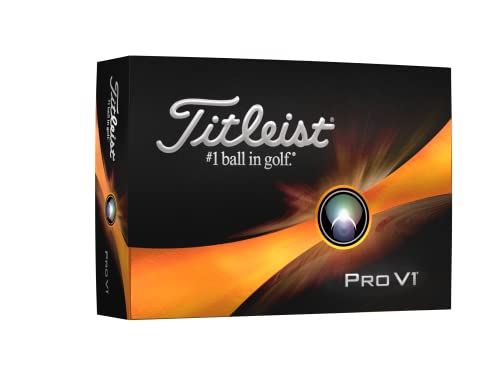
Titleist Pro V1 is a go-to choice for many golfers and for good reason. It’s known for its consistent flight and excellent control around the greens, making it a reliable option in various playing conditions. With a softer feel due to its urethane elastomer cover, it’s a top pick if you’re aiming for precision and a gentle touch.
If you’re someone who values distance teeing off, then Callaway Chrome Soft could be your match. It’s engineered to promote high launch and low spin off the driver, helping you achieve those desired extra yards. Meanwhile, its Graphene-infused Dual SoftFast Core aids in creating a soft feel.
For those of you who are a fan of a firmer feel and faster ball speeds, TaylorMade TP5x might just be your secret weapon. It boasts a five-layer construction that optimizes flight performance and is particularly favored by players who have a high swing speed.
Don’t overlook the Bridgestone Tour B X, especially if you’re keen on optimizing your shot shape. It’s crafted with Bridgestone’s proprietary REACTIV cover technology, which assures you can deliver impressive distance without sacrificing control.
Remember, these are just starting points. To truly find the best fit for your game, you’ll need to step out onto the course with a few different models. Pay close attention to how each ball performs in terms of:
- Distance off the tee
- Trajectory and flight stability
- Spin on the greens
- Overall feel
Keep in mind that what may work best for another player might not suit your style. Trust your experience and don’t be afraid to switch it up until you’ve found a golf ball that complements your play perfectly.
Conclusion
Frequently Asked Questions
What are the best golf balls on the market?
The top picks for the best golf balls include the Titleist Pro V1, Callaway Chrome Soft, TaylorMade TP5x, and Bridgestone Tour B X.
How does the choice of golf ball impact a player’s performance?
Choosing the right golf ball affects distance off the tee, trajectory, flight stability, spin on the greens, and the overall feel, all of which are crucial for a golfer’s performance.
Why is it important to try different golf ball models on the course?
It’s important to try different models because each golfer’s style and preferences are unique. Testing various golf balls on the course helps players find the best match for their individual game.
What factors should be considered when selecting a golf ball?
When selecting a golf ball, consider factors such as the distance it can travel off the tee, its trajectory and flight stability, the amount of spin it provides on the greens, and how it feels during play.
Can the right golf ball improve my game?
Yes, the right golf ball can significantly improve your game by optimizing your distance, control, and feel, leading to better overall performance on the course.