Choosing the right golf ball can be as crucial as selecting the perfect club. You’ve probably stood in the aisle of your local sports store, staring at the sea of options, wondering which one will help you shave strokes off your game.

Well, you’re not alone in this quest for the ideal golf ball. In this article, we’ll dive into the factors that should guide your choice—whether you’re a beginner aiming for straighter shots or a seasoned pro craving more spin.
Get ready to find your golfing sweet spot. By the end of this read, you’ll know exactly what type of golf ball you should be hitting to make your next round your best yet.
Factors to Consider When Choosing a Golf Ball
When you’re determining which golf ball to hit, there are several key factors to keep in mind. The choice you make can significantly impact your game, influencing distance, control, and feel.
First off, let’s talk compression. Golf ball compression refers to how much the ball will deform upon impact. Lower compression golf balls are typically softer, making them a better fit if your swing speed isn’t quite up there with the pros. These offer more forgiveness and can help with distance if you’ve got a more moderate swing.
- High compression: Better for players with fast swing speeds.
- Low compression: Suitable for slower swing speeds.
Next up is construction. Golf balls can range from two-piece designs to multi-layer constructions.
- Two-Piece Balls: Designed for durability and maximum distance. These are generally the go-to for casual golfers who want a ball that’s straightforward and forgiving.
- Multi-layer Balls: These have additional layers like a mantle or a urethane cover for greater control and spin, catering to more experienced golfers who can leverage these features to shape their shots.
The type of cover the ball has also plays a pivotal role. Urethane covers are softer, providing more spin and control around the greens, whereas Surlyn covers are harder, offering greater durability and less spin.
Let’s touch upon the importance of the feel. This boils down to personal preference. Some golfers prefer a softer feel at impact, especially around the greens, while others might prioritize a firmer feel for tee-to-green performance.
- Soft feel: Provides feedback for short games.
- Firm feel: Offers solid feedback for long games.
Ultimately, your own skill level and what you are looking to improve upon in your game should guide your golf ball choice. You might want to experiment with a few different types before settling on the one that gives you the confidence to go for those challenging shots. Remember, what works for someone else might not be the magic formula for you. Golf is a personal sport, and the ball you choose is part of that unique experience.


Understanding the Different Types of Golf Balls
« What Happens If Golf Balls Freeze? 5 Must-Know Cold Weather Golf Tips
Where Golf Ball Is Made: Unlocking the Secrets of Top Performance Balls »
When you’re eyeing the vast selection of golf balls at your local pro shop, it’s easy to get overwhelmed by the choices. But fear not, there’s a method to the madness. Essentially, golf balls come in three main categories: two-piece, multi-layer (three-piece or more), and high-performance balls.
Two-piece golf balls are the most common and boast a durable, cut-resistant cover with a large, solid core. They’re designed for increased distance and are a great pick for beginners or high handicappers.
On the other hand, multi-layer golf balls offer an extra layer (or even more) around the core, providing a better spin control which is crucial when you’re trying to finesse those shots onto the green. These balls generally have a softer feel and a urethane cover, which many seasoned golfers prefer.
- Three-piece golf balls are a staple for players with a moderate swing speed. They provide a balance between distance and feel.
- Four-piece and five-piece golf balls are often tailored to fit specific performance characteristics, enhancing everything from launch and spin to control on the greens.
Then there are high-performance golf balls, normally the choice among tour professionals and low handicappers like yourself. These balls usually have at least three layers and feature the latest technology to deliver exceptional distance, spin, control, and feel. They’re constructed to respond to the faster swing speeds and offer the precise performance you demand from your shots.
Remember though, it’s not just about how advanced the ball is. You’ve got to align its characteristics with your game. If you’ve got a powerful swing, you’ll likely benefit more from a ball designed to offer control and spin rather than extra distance. Conversely, if distance is what you’re after, a two-piece design might just do the trick. Balancing between your swing and the ball’s design will help you make the most out of your game.
Best Golf Balls for Beginners
When you’re starting out in the game of golf, the sheer number of options for equipment can seem overwhelming. Choosing the right golf ball is crucial, and as a beginner, your focus should be on two-piece golf balls. They’re engineered to provide you with maximum distance and durability, which are two things you’ll greatly appreciate as you get used to the game.
Two-piece balls have a solid core and a durable cover that typically resists cuts and scuffs, so they last longer. This durability factor means they can endure those occasional mis-hits as you refine your swing. Furthermore, these balls are designed to reduce spin, which in turn minimizes the slice or hook that might otherwise exaggerate your mistakes.
As you look into specific brands, consider balls like the Callaway Supersoft, Titleist TruFeel, or Wilson Ultra 500. They’re often recommended for beginners due to their balance of quality and affordability. Take a gander at the table below for a quick comparison of these beginner-friendly balls:
| Golf Ball | Compression | Cover Material | Price Range |
|---|---|---|---|
| Callaway Supersoft | Low | Ionomer | Moderate |
| Titleist TruFeel | Low | TruFlex | Moderate to High |
| Wilson Ultra 500 | Moderate | Ionomer | Budget-friendly |
It’s also worth noting that as a newbie, you shouldn’t fret too much about your golf ball’s spin control and feel. At this point in your golf journey, the aim is to hit the ball straight and learn the ropes. Once you start to see a consistent flight pattern and become more comfortable with your swing, you’ll naturally progress to balls that provide additional feel and spin control, such as three-piece designs.
Remember, what works for one player might not work for another, even among beginners. So take the time to experiment with different models and see which ones suit your developing play style the most. The ideal beginner golf ball is the one that makes the game more enjoyable for you, and believe it or not, makes you want to get back out there to play another round.



Golf Balls for Players Seeking Distance
When you’re out on the course, there’s a certain thrill in watching your ball soar down the fairway, isn’t there? If you’re on the hunt for extra yards off the tee, it’s vital to choose a golf ball that’s engineered to enhance distance.
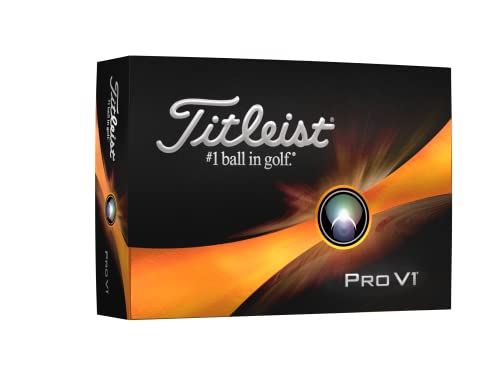
Multi-layer golf balls with a construction of three or more layers are often the go-to for seasoned players like you. The outer layers are designed to provide a more piercing flight, while the firm core is the powerhouse for distance. Balls like the Titleist Pro V1 pack a urethane cover that not only endures the rigor of powerful swings but also delivers a consistent flight path.
Compression rate is another key factor. Typically, golf balls with a higher compression are matched with faster swing speeds. This translates to greater energy transfer upon impact, launching the ball further into the horizon. For instance, the Callaway Chrome Soft X has a high compression, making it an excellent choice for your robust swings.
It’s not just about the hardware, though—your swing mechanics are crucial. Ensure your swing speed aligns with the compression of the ball you choose. That’s when you’ll notice the difference; when the rubber literally meets the turf. Inadequate compression can lead to subpar performance, falling short of the distance you’re capable of achieving.
A wise selection for distance-seekers will also account for aerodynamics. Some balls are equipped with dimple patterns that reduce drag and enhance lift, directly translating to extra yards. The TaylorMade TP5x employs a five-layer design with a dimple pattern curated for less drag and more hang time in the air.
Lastly, don’t underestimate the importance of a quality ball fitting session. It tunes your choice to your unique swing, ultimately finding that sweet spot where the ball you hit is optimized for distance without sacrificing too much control.
Experiment with different balls during practice rounds to sense which complements your quest for those jaw-dropping drives. After all, every yard counts, and the right golf ball is a trusty ally on your journey down the fairway.
Golf Balls for Players Looking for Control and Spin
As you delve deeper into the nuanced game of golf, you’ll find a heightened importance for precision and greenside control. If you’re after that extra touch of finesse around the greens, or you’re looking to shape shots with more spin, then there’s a particular kind of golf ball you should be hitting.
Urethane cover golf balls are your go-to when looking for enhanced control and spin. Unlike the surlyn-covered balls, which are designed for durability and distance, urethane covers offer a softer feel and higher spin rates. This translates into better stopping power on the greens and the ability to execute shots with more precision.
- Four-piece and five-piece golf balls often cater to players who prioritize control and spin. Whilst these balls are complex in construction, they are engineered to provide a progressive performance that benefits touch shots and full swings alike.
When you’re faced with a shot that demands a high spin rate, the mantle layer of these multi-layer golf balls comes into play. It works with the cover to generate increased spin on shots where it’s needed most – those delicate pitch shots and full wedges.
Remember, with greater control and spin potential comes a need for a softer touch and a bit more finesse in your swing. If you have a steady, consistent swing, these balls can significantly improve your approach game.
But it’s not just about the make of the ball. Personal feel and preference play a significant role as well:
- Experiment with different brands and models.
- Pay attention to how the ball reacts to your irons and wedges during practice rounds.
Players with a lower handicap often find that a ball boasting a higher spin provides the competitive edge, allowing for more aggressive play around the greens. If you fit into this category, investing time to find the right golf ball can be just as crucial as selecting the perfect club.
A final piece of advice – practice makes perfect. The more you play with golf balls designed for control and spin, the better you’ll understand their behavior in various course conditions. Testing different golf balls under tournament conditions can offer invaluable insights, so don’t hesitate to take these balls out for a spin during your next competitive round.
Conclusion
You’ve seen how urethane cover golf balls can up your game with the control and spin they offer. Remember, it’s all about what feels right for you. So don’t shy away from trying out different brands and models until you find your perfect match. And when you do, take those balls out for a practice round. You’ll get a real sense of their performance and how they can give you an edge on the course. Here’s to finding the ball that makes your golf game shine!
Frequently Asked Questions
What type of golf ball is recommended for control and spin?
Urethane cover golf balls are recommended for players seeking enhanced control and spin, providing a softer feel and higher spin rates.
Are more layers in a golf ball better for control and spin?
Yes, four-piece and five-piece golf balls are often suggested for those who prioritize control and spin since the additional layers, such as the mantle layer, can help generate increased spin on various shots.
Is it important to consider personal feel when selecting a golf ball for spin?
Definitely, the article emphasizes the importance of personal feel and preference. It encourages experimenting with different golf ball brands and models to find the best match for your game.
Should players practice with golf balls designed for control and spin?
Yes, practicing with golf balls specifically designed for control and spin is advised to better understand their performance in different course conditions.