As your golf game improves, you might start noticing the little details that make a big difference on the course. One of those often-overlooked factors is your golf ball. It’s easy to stick with the same balls you’ve always used, but upgrading at the right time can elevate your performance in ways you didn’t expect.

Choosing the right golf ball isn’t just about price or brand—it’s about matching it to your skill level and playing style. Whether you’re gaining more control over your shots or looking for extra distance, the right ball can help you fine-tune your game. So, how do you know when it’s time to make the switch?
Understanding when and why to upgrade your golf balls can save you frustration and help you get the most out of every swing. Let’s dive into the signs that it might be time for an upgrade.
Importance Of Choosing The Right Golf Ball
Selecting the right golf ball impacts every aspect of your game. The ball you play directly affects distance, accuracy, spin, and feel. As a golfer, you’ve likely noticed that not all golf balls perform the same, especially when transitioning from beginner-level options to models designed for better players.
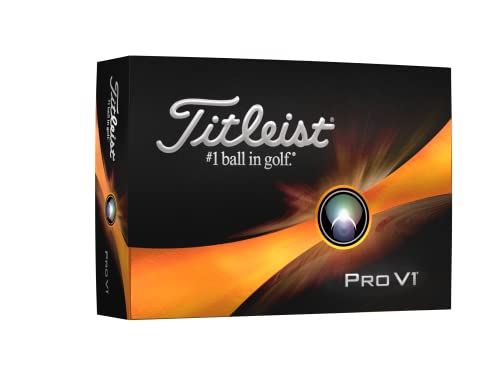
Distance and Control: A two-piece distance ball might maximize yardage off the tee but sacrifice greenside control. Higher compression balls with multi-layer construction, like the Titleist Pro V1 or TaylorMade TP5, offer the balance needed for shaping shots and stopping power on the green.
Spin Performance: Golf balls with firmer covers, like urethane, promote higher spin rates with wedges and short irons, giving you more control around the greens. Lower spin options reduce side spin, keeping your drives straighter if mishits are common.
Feel and Feedback: The right compression level provides the ideal feel when putting or chipping. Soft golf balls work well for slower swing speeds, while firmer balls deliver better feedback for experienced players with higher swing speeds.
Skill Alignment: As your skill improves, your golf ball must match your playing style. A premium tour ball becomes more beneficial as you begin prioritizing shot workability, spin control, and consistency over sheer distance.
Choosing the right golf ball raises your ability to execute shots precisely and enhances confidence in every aspect of your game.


Signs It May Be Time To Upgrade Your Golf Balls
« Comparing Construction: Two vs. Three vs. Four-Piece Golf Balls for Every Skill Level
Technical Breakdown: Layers in Golf Balls & How They Impact Your Game »
As your game grows stronger, the golf ball you’re using might not keep up with your progress. Upgrading can mean improved performance and better consistency on the course.
Inconsistent Performance
If your ball isn’t delivering consistent results despite solid contact, it could mean it’s not optimized for your play. Lower-quality balls may create unpredictable spin or trajectory. For example, if your shots lack greenside control in one round but feel decent the next, your ball’s limitations may be the issue. Upgrading to a multi-layer ball can offer reliable spin rates and better control.
Improved Swing Speed And Distance
A faster swing speed often outpaces the benefits of basic, two-piece balls. These balls can limit your carry and roll potential as they compress less at higher speeds. If your drives are strong but don’t reach the distances they should, switching to a higher compression ball, such as a performance-grade option, can maximize your power. Compression ratings between 85 and 100 work well for faster swingers.
Advancement In Skill Level
When you’re shaping shots or controlling spin with more confidence, you gain little from entry-level balls. Two-piece balls often restrict shot workability and the precision required for draws or fades. Upgrading to a urethane-covered ball can improve your ability to tackle more advanced shot types. The added spin control and softer feel around the greens align better with a refined skill set.
Factors To Consider When Upgrading Golf Balls
As your game improves, choosing the right golf ball becomes critical to maximizing performance. Evaluating specific factors can help you make informed decisions that align with your skill level and playing style.
Compression Ratings
Understanding compression ratings is essential when upgrading golf balls. Higher compression balls, usually rated 90 or above, perform best for swing speeds over 100 mph. These balls maximize energy transfer, leading to more distance and precision. Players with moderate swing speeds (80-95 mph) often benefit from mid-compression balls, which offer a balance of distance and control. For slower swings, low-compression options under 70 can enhance feel and distance without sacrificing forgiveness.
Spin And Control Needs
Spin and control should match your goals on the course. Urethane-covered balls deliver higher spin rates, which help with greenside control and shot shaping. Lower-spin balls, like two-piece models, reduce side spin and can mitigate slices or hooks. If you consistently seek to stick approach shots closer to pins, upgrading to a ball with higher spin potential will add precision, especially on wedge shots.
Durability And Budget
Balancing durability and budget ensures you get value from your golf ball selection. Urethane covers provide unmatched performance but can scuff or cut more readily. If courses favor hard surfaces or your game includes frequent wedge shots, expect shorter lifespans for premium balls. For budget-conscious players, soft ionomer covers last longer and resist damage better, though they lack the spin and feel of higher-end options. Plan purchases based on how often you play and your expectations for ball longevity.
Comparing Golf Ball Types For Different Skill Levels
Choosing the right golf ball depends on your skill level. There are options that suit beginners, intermediate players, and advanced golfers, each designed to enhance performance for specific needs. Here’s a breakdown to help you find the right fit.
Beginner-Friendly Options
Focus on two-piece distance balls. These are durable and affordable, offering maximum distance off the tee with minimal spin. Their low compression helps slower swing speeds generate more distance, making them perfect for learning the fundamentals. Examples include Titleist Velocity and Callaway Supersoft, which emphasize forgiveness and consistent performance.



Avoid multi-layer balls. As a beginner, high-spin options can exaggerate slices or hooks, reducing accuracy. Stick to straightforward designs that help keep shots in play while building confidence.
Intermediate Player Recommendations
Upgrade to mid-compression balls with balanced performance. These offer more spin control and improved feel while maintaining enough distance. Options like Srixon Q-Star and TaylorMade Tour Response feature ionomer or soft urethane covers, which provide better greenside performance without being overly delicate.
Enhance versatility. At this stage, you likely have improved swing speed and better control, so using a ball with moderate spin helps you shape shots when needed. Focus on options that bridge the gap between beginner distance balls and high-end tour balls.
Advanced Options For Experienced Golfers
Use premium, multi-layer urethane-covered balls. These provide precise spin control, workability, and superior feel. Options like Titleist Pro V1, TaylorMade TP5, and Bridgestone Tour B XS fit well for players who want shot-shaping capabilities and consistent performance across different conditions.
Prioritize high compression for faster swings. If you’re a low-handicap player, maximizing ball speed and spin control around the greens becomes critical. Balls with advanced designs and more layers can help fine-tune specific aspects of your game, from approach shots to putts.
Tips For Testing And Selecting New Golf Balls
Assess Your Swing Characteristics
Focus on your swing speed and launch angle before testing new balls. Faster swing speeds benefit from high-compression balls, while slower swings match low-compression options. A higher launch might work best with lower-spin models to reduce ballooning.
Compare Greenside Feel and Spin
Evaluate how the ball performs during chips and putts. Premium urethane balls offer higher spin for stopping on greens, while ionomer covers feel firmer and roll out more. Test side spin and backspin to determine which meets your short-game needs.
Practice Full Shots for Distance and Accuracy
Hit several full shots with each ball type, checking distance, trajectory, and consistency. A ball optimized for your game will provide the desired flight—whether it’s a low-penetrating draw or a high-arching fade.
Account for Durability After Play
Inspect how well each test ball holds up across a full round. Urethane covers enhance spin but scuff more easily, whereas ionomer provides lasting durability at the cost of greenside control.
Match Performance to Course Conditions
Determine if the ball suits the courses you regularly play. Soft-cover balls shine on fast greens, while two-piece distance balls handle tight fairways and windy conditions better. Adjust your selection based on changing course demands.
Seek Feedback From Launch Monitors
Use a launch monitor for precise data like ball speed, spin rate, and carry distance. Numbers confirm which ball aligns with your swing, removing the guesswork from the selection process.
Test in Real-Play Scenarios
Play at least nine holes with each ball option. Simulating game conditions reveals how the ball performs under various lies, weather, and playing styles. Real play often highlights strengths or weaknesses you won’t see on the range.
Conclusion
Upgrading your golf balls as your game improves isn’t just about switching to something more expensive or popular. It’s about finding the right ball that complements your evolving skills and enhances your performance on the course. Whether you’re looking for better spin control, improved distance, or a softer feel around the greens, the right golf ball can make all the difference.
As you refine your swing and gain confidence, take the time to test different options and see how they perform in real-play conditions. The right choice will not only boost your consistency but also help you enjoy the game even more. Your golf ball should work with you, not against you, so choose wisely and let your progress shine.