Ever wondered why your buddy’s golf ball seems to soar further and straighter than yours? It might just be down to the type of ball you’re using. Matching your golf ball to your swing speed can make a world of difference to your game.

Understanding Swing Speed
Think of your swing speed as the engine that drives the golf ball – it’s the key to unlocking optimal performance on the course. Swing speed is the velocity at which you’re able to move the club head through the air during your swing. It’s measured in miles per hour (mph), and it’s a fantastic indicator of the kind of ball you would benefit from the most.
To get a grip on your swing speed, track it with a radar device or during a fitting session with a pro. You might find it surprising, but swing speeds can range dramatically among players. Here’s a quick breakdown of different speed ranges:
| Swing Speed (mph) | Golfer Profile |
|---|---|
| Under 85 | Low power hitters |
| 85-95 | Average golfers |
| 95-105 | Above-average golfers |
| 105 and above | High-speed swingers |
Your swing speed puts you into one of these categories, which in turn helps dictate the compression and design of ball that’ll complement your game. Lower compression balls tend to suit golfers with slower swing speeds, aiding them in getting that sought-after distance and softer feel around the greens.
Don’t forget about the elements either. Wind condition and temperature can influence your swing speed on any given day. Warmer weather, for instance, may give you a few extra mph because of the increased elasticity of both your muscles and the ball.
Once you have your swing speed dialed in, it’s time to match it to the right ball. Keep in mind, the best golf ball for your buddy might not be the best for you. Every swing is unique and requires a ball that complements its speed, angle of attack, and the spin you naturally impart.
Finding the perfect ball for your swing speed is not just about chasing distance but also enhancing control and consistency. Aim for a ball that feels good off the clubface and gives you confidence as you approach each shot. This synergy between player, swing speed, and ball is what every golfer strives for.
How Swing Speed Affects Ball Performance
When you’re out on the course, the golf ball can feel like an extension of your club. But did you know that the performance of your golf ball is significantly impacted by your swing speed? At lower speeds, you’ll need a ball that maximizes distance through lower compression, meaning the ball deforms more upon impact and springs back with more energy. In contrast, at higher swing speeds, you’ll benefit from higher compression balls which offer greater control and a more piercing flight trajectory.
Your swing speed is the engine behind the ball’s performance; it’s akin to matching the right fuel to a high-performance car. Imagine hitting a tour-level ball with a slower swing—it’ll feel like you’ve just hit a rock, resulting in less distance and a less satisfying experience on the fairway. On the flip side, if you have a speedy swing and use a low compression ball, you might find it difficult to achieve the precision you’re aiming for, as the ball may tend to spin excessively or have an unpredictable flight.


« Best Faders of the Golf Ball: Secrets to Mastering Your Fade
Best Brand in Golf Balls: Unveil Superior Game with Brand D »
Here are a few points to keep in mind about swing speed and ball performance:
- Low swing speed pairs well with low compression balls for increased distance.
- High swing speed matches high compression balls for better control.
- Mid-range speeds have the most options, allowing for a balance between distance and control.
Not only does the right ball help in improving the overall distance, but it also aids in the feel of the shot. You’ll want a ball that gives you confidence in your approach shots, chips, and puts. It’s beneficial to experiment a bit during practice rounds to find what best suits your style and speed.
Additionally, it’s essential to factor in the conditions you normally play in. If you’re often playing in windy conditions or at elevated courses, these elements can influence the effectiveness of your ball once it’s airborne. Hence, golfers should not underestimate the importance of outdoor elements when selecting the right golf ball for their swing speed.
Types of Golf Balls for Different Swing Speeds
When you’re looking to improve your game, knowing which golf ball to choose for your specific swing speed can be crucial. There’s no one-size-fits-all solution so pay close attention to these details to find the right match for your swing.
If you’re someone with a lower swing speed, typically under 85 mph, a low-compression golf ball is your best bet. These balls are designed to deform more upon impact, requiring less force to compress and therefore, they can travel farther with your swing. Common choices are:
- Callaway Supersoft
- Wilson Staff Dx2 Soft
- Titleist DT TruSoft
On the flip side, if you boast a swing speed above 105 mph, high-compression balls are the name of the game. These require a firmer hit to compress and can offer you more control, which makes perfect sense for your high-powered swings. Some top choices include:
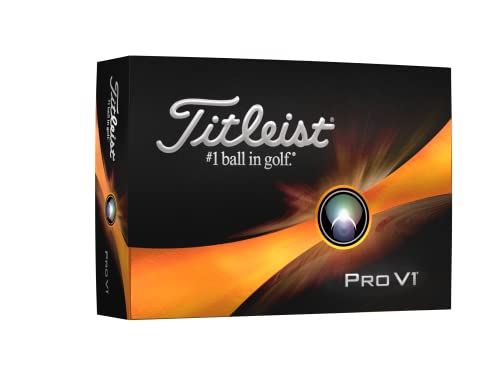
- Titleist Pro V1
- Bridgestone Tour B X
- TaylorMade TP5x
Now for you golfers who land middle-of-the-pack with swing speeds anywhere between 85 and 105 mph, there’s a diverse range of golf balls that offer a balance between distance and control:
- Srixon Q-Star Tour
- Titleist Pro V1x
- Callaway Chrome Soft
Here’s a quick breakdown of these golf balls tailored to different swing speeds:
| Swing Speed Range (mph) | Golf Ball Compression | Suggested Balls |
|---|---|---|
| Under 85 | Low | Callaway Supersoft |
| Wilson Staff Dx2 Soft | ||
| Titleist DT TruSoft | ||
| 85 – 105 | Medium | Srixon Q-Star Tour |
| Titleist Pro V1x | ||
| Callaway Chrome Soft | ||
| Above 105 | High | Titleist Pro V1 |
| Bridgestone Tour B X | ||
| TaylorMade TP5x |
Testing Your Swing Speed
Before you dive into the sea of golf balls available, you’ll want to know your own swing speed. It’s key to choosing the right ball for your game, and surprisingly, it’s not as daunting as it might seem to measure it.
Head to your local golf pro shop or a fitting center, where you can use a launch monitor to get an accurate reading of your swing speed. Launch monitors can provide a wealth of data, but you’re looking for one number in particular: the speed of your club head as it strikes the ball.


If shelling out for time on a launch monitor isn’t in the cards just yet, you have other options:
- Swing Speed Radar: A more affordable gadget that you can set up at your home range session.
- Mobile Apps: There are several apps available that estimate your swing speed based on the tempo and sound of your swing.
Here’s a quick rundown of what your swing speed might say about your game:
- Below 85 mph: Typically, you’re a casual golfer who might prioritize fun over fierce competition.
- 85 to 104 mph: You’ve got a moderate swing speed, similar to the average PGA Tour spectator.
- 105 mph and above: You’re swinging at speeds comparable to tour professionals, seeking every edge in distance and control.
Keep in mind that swing speed isn’t consistent across all clubs; it’s usually measured with a driver. After all, you might wield your irons with a different tempo. Once you’ve nailed down your speed, you’ll be in a better position to match the golf ball with your swing which will surely improve your distance off the tee and give you a better feel in your short game.
Armed with your swing speed, you’re well on your way to choosing a golf ball that complements your game. Remember, it’s not just about raw speed—it’s how you use it to make every shot count.
Choosing the Right Golf Ball for Your Swing Speed
Once you’ve got a handle on your swing speed, it’s time to match it with the right golf ball. It’s a balancing act between getting distance and having control around the greens. What works for one player might not suit another, as your individual swing has its unique characteristics.
If you’ve clocked in at over 105 mph, you’re swinging fast enough to compress a tour-level golf ball, which typically has a firmer feel and can lead to longer distances off the tee. High swing speeds can take advantage of multilayer balls with urethane covers designed for high performance. These balls also offer a better feel on shots around the green, which can impact your scoring significantly.
For those of you in the mid-range swing speed bracket (85-105 mph), a slightly softer ball could be your ideal match. These balls are engineered to optimize both distance and feel. They often come with dual cores and softer covers that help to provide a better feel without sacrificing too much distance.
Players with swing speeds below 85 mph would benefit from even softer golf balls, typically two-piece construction with low compression. This allows the ball to be compressed more easily at impact, leading to greater distance for slower swing speeds. Plus, these softer balls can help to reduce spin off the tee, helping you to keep the ball on a straighter path.
Remember, the weather conditions and course type can influence the type of ball you should choose. A windy day might demand a ball that has less spin to keep it flying on a true path, while a soft, wet course might have you reaching for a ball with more spin to stop it quickly on the greens.
Finally, don’t underestimate personal preference in feel and sound at impact. Manufacturers offer a range of models within the same speed categories, allowing you to find the ball that feels best to you. Trial and error through practice rounds and acknowledging how the ball performs under competition pressure will fine-tune your selection.
Always keep testing different models as manufacturers are constantly innovating. The right ball for your swing speed today might not be the best choice next season. Stay informed and don’t be afraid to switch it up to keep your game at its peak.
Conclusion
Frequently Asked Questions
What is the relationship between swing speed and golf ball choice?
Swing speed is a crucial factor in selecting a golf ball. A matched golf ball to your swing speed can enhance distance and control, optimizing your performance.
How does swing speed vary among players?
Swing speed varies based on factors like physical strength, skill level, and technique. Players should choose golf balls that complement their unique swing characteristics.
Why is it important to consider weather conditions when choosing a golf ball?
Weather conditions can impact a golf ball’s performance. For example, cooler temperatures can reduce ball compression, affecting distance and feel. Select a ball that performs well in the conditions you frequently play in.
Should personal preferences play a role in selecting a golf ball?
Yes, personal preferences regarding feel, spin, and control are important. Players should choose a golf ball that feels comfortable and suits their play style.
Is it necessary to stay informed about new golf ball models?
Manufacturers constantly innovate, designing balls with new technologies that can benefit players. Staying informed helps you to take advantage of these advances and potentially improve your game.