Ever wondered why your golfing buddy swears by a particular brand of golf ball? Or maybe you’ve found yourself lost in the sea of options at the sporting goods store. Choosing the right golf ball can be as crucial as selecting the perfect club.

The Importance of Choosing the Right Golf Ball
You know that sinking feeling when you’ve struck the ball off the tee, and it just doesn’t respond the way you expected? Well, it’s often because the golf ball isn’t the right match for your style of play. Have you ever considered that the kind of ball you choose can have a significant impact on your game?
A proper golf ball can make all the difference in carrying out those long drives or securing precise approach shots. It’s not just about the brand you trust; it’s about recognising the type of ball that works in harmony with your swing speed and skill level.
Different golf balls offer varying levels of spin, distance, and feel. For instance, if you’re someone who loves a soft feel and more control around the greens, then opting for a ball with a softer cover would be a smart play. On the flip side, if you’re gunning for maximum distance, a ball designed for lower spin and higher launch might just be your ticket to those extra yards off the tee.
Here’s something you might find intriguing: the construction of the ball plays a pivotal role as well. Golf balls typically range from two-piece construction, which is great for beginners and high-handicappers, to multi-layered designs catering to players like you with lower handicaps.
- Two-Piece Golf Balls: Offer durability and are designed for distance.
- Multi-layered Golf Balls: Provide better control but come with a steeper price tag.
When you walk into a sporting goods store, you’ll be greeted with a plethora of options. It can be tempting to go for the premium balls used by tour players, but understand that these balls are engineered for their high swing speeds and may not complement your game.
Here’s a little tip: don’t shy away from trying out a sleeve of different golf ball brands and models. Over time, you’ll be able to narrow down exactly which ball enhances your particular style of play. It’s all about the pairing, much like finding the right wine to complement your meal. Trial and error can lead you to a game-changing discovery, and who knows, maybe even to a reduction in your handicap.
Understanding Golf Ball Construction
When you’re on the course, the make-up of your golf ball is just as crucial as the swing you perfect over countless rounds. Golf ball construction affects everything from how the ball flies through the air to how it feels upon impact.
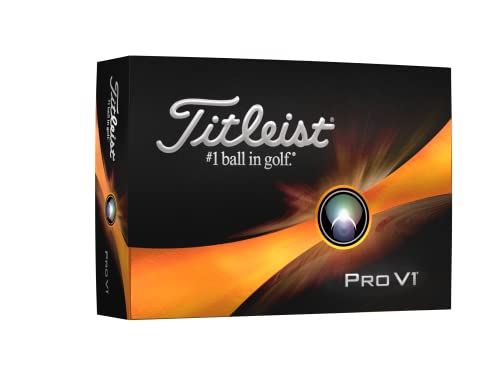
Two-Piece Golf Balls are the most straightforward design, generally aimed at beginners and high-handicappers. They consist of a large solid inner core and a durable outer cover. Here’s why they might be the right choice for you:


- They usually promote longer distance due to less spin.
- The sturdy cover resists cuts and scuffs, making them last longer.
- Two-piece balls are typically more affordable, which is a bonus if you’re prone to losing a few to the water hazards.
« Best Golf Ball Under $20: Unveiling Top Affordable Picks for Your Game
Bridgestone Golf Ball Types: Find Your Perfect Match for a Better Game »
On the other hand, Multi-Layered Golf Balls are designed to provide performance benefits that better players, like you, can appreciate. These balls can have three, four, or even five layers, each serving a distinct purpose. The additional layers allow manufacturers to create sophisticated designs that influence spin, control, and feel. Here are some reasons you might consider multi-layered balls:
- They offer a softer feel, which can aid your short game performance.
- The extra layers provide different levels of spin depending on the type of shot played.
- Enhanced control around the greens helps you shape shots and land the ball precisely where you intend.
Next, focus on the cover material—Urethane or Surlyn. Urethane covers are typically found on higher-end, multi-layered balls. They’re softer, providing more spin control for approach shots and around the green, which you’ll value if precision is a hallmark of your game. Surlyn covers are harder and offer more durability and reduced spin, which might appeal to you if you prioritize longevity and a straighter flight path.
Remember, it’s not just about the feel or the flight. Compression is a term often associated with golf balls and impacts how the ball reacts when struck. Low compression balls can help slower swingers maximize distance, while higher compression balls respond better to faster swings, offering greater control and feedback—essential for fine-tuning your game.
Factors to Consider When Choosing a Golf Ball
When you’re eyeing the vast array of golf balls at your local pro shop or browsing online stores, it can be somewhat overwhelming. Each brand claims their ball flies the farthest or offers the most control, but the key lies in matching the ball to your unique style of play and abilities.
Spin is a critical element that affects your game directly. A ball with higher spin rates can give you more control around the greens, allowing your approach shots to stop quickly. If your swing speed is on the higher end, you might gravitate towards a ball that promises less spin off the tee to help you avoid those pesky hooks or slices.
Feel is another factor you can’t ignore. It’s an individual preference, with some golfers preferring a softer feel for that extra feedback during putting and short game shots. As a lower handicapper, you might seek a firmer feel for better responsiveness and control.
Don’t overlook durability; if you play frequently, you’ll need balls that can withstand various course conditions without scuffing or losing performance. It might not be the most fun factor to consider, but your wallet will thank you in the long run.
Price is always a consideration. More expensive doesn’t always mean better for your game. Setting a budget can help narrow down your choices without compromising the quality of your game.
Lastly, think about your swing speed. This often-overlooked aspect hugely influences the ball’s performance related to your play. Balls are designed with different compressions to suit various swing speeds. Knowing your swing speed will help you choose a ball that maximizes distance and control.
By keeping these factors in mind, along with the cover material and ball construction previously discussed, you’re on your way to identifying a golf ball that will compliment your skills and enhance your playing experience. Always remember to take your time and perhaps even test a few before making your final choice. After all, in golf, as in life, it’s the small things that make a big difference.


Different Types of Golf Balls
As you dive deeper into the world of golf, you’ll discover that golf balls come in various types, each designed to cater to a specific aspect of your game. Understanding these differences is key to enhancing your performance on the course.
Two-Piece Balls
Ideal for beginners and golfers with higher handicaps, two-piece golf balls are known for their durability and ability to travel long distances. A large, solid core is surrounded by a durable cover that usually resists cuts and scuffs quite well. If you struggle with swing speed or prefer a ball that helps you get the maximum distance, consider starting with a two-piece construction.
Three-Piece Balls
For a better feel and more control, you might want to transition to three-piece golf balls. They have a solid rubber core, a mantle layer that influences the spin, and a softer cover that provides a better feel. This type of ball can be a game-changer if you love shaping your shots or need extra spin on the greens.
- Spin: Increased control with medium spin.
- Feel: Soft impact conducive to more precise short games.
Multi-Layer Performance Balls
Once you’re comfortable with your game and looking for precision, four or five-layer golf balls could be your best ally. These advanced balls offer multiple layers, each fine-tuning a different aspect like distance, spin, or feel. While these premium balls often come with a higher price tag, they’re engineered to optimize your performance, especially if you’ve got a low handicap and refined skills.
- Construction: Optimized layers for specific performance enhancements.
- Target Audience: Low handicappers and skilled players.
By now, you’re familiar with the importance of choosing the right ball for your playing style. Let’s dive into the specifics so you can pick your ideal companion on the course. Reflect on the following guide tailored to suit different player needs:
| Ball Type | Key Benefit | Best For |
|---|---|---|
| Two-Piece | Durability, Distance | Beginners, Higher Handicaps |
| Three-Piece | Control, Feel | Intermediate Players |
| Multi-Layer | Precision, Response | Low Handicappers, Professionals |
Finding the Best Golf Ball for Your Game
As you delve deeper into fine-tuning your golf game, understanding the intricacies of various golf balls becomes crucial. It’s not just about picking any ball off the shelf; it’s about finding the one that complements your skills and playing style.
Start with your handicap. If you’re a low handicapper, you already have a solid command over your shots. For players like you, golf balls that offer higher spin and softer feel can make a significant difference. They allow for greater control, especially on approach shots and when you need that ball to stick on the green.
Next, think about the courses you frequently play. Are they wide open with firm fairways, or are they tight with soft conditions? The type of course dictates whether you should prioritize distance or control. Variable course conditions require a versatile golf ball, one that won’t compromise on distance for workability or vice versa.
Experimentation is key. Don’t hesitate to try out different brands and models. Pay attention to how each ball feels off the clubface and observe its flight and performance in various weather conditions. Some balls might perform better in the wind, while others are more forgiving in wet conditions.
Look into golf ball fitting sessions, often provided at local golf shops or events. Not unlike club fitting, ball fitting can reveal surprising insights into which ball characteristics align with your swing. A ball with the right compression for your swing speed can optimize your distance without sacrificing accuracy.
Remember, golfers like you aim for precision. So, it wouldn’t hurt to carry a couple of different golf balls in your bag for specific shots or days when one type isn’t behaving as expected. Sometimes, the marginal gains from selecting the right ball for the right moment can shave strokes off your game.
Track your performance with various balls over multiple rounds. Note things like your average driving distance, how often you hit the fairway, and your greens in regulation. These metrics help determine the best golf ball for your game. After all, it’s the small details that often lead to big improvements on the scorecard.
Conclusion
Frequently Asked Questions
What factors should I consider when choosing a golf ball?
When selecting a golf ball, consider spin rate, feel, durability, price, and your swing speed. Different balls cater to specific needs and preferences.
How does spin affect my golf game?
Higher spin rates offer greater control around the greens, allowing for more precise short game shots that can stop quickly on the putting surface.
Why is it important to choose a golf ball that matches my swing speed?
Matching a golf ball to your swing speed helps maximize performance. Balls with different compressions are designed for various swing speeds, ensuring better energy transfer from the club to the ball.
What are the differences between two-piece, three-piece, and multi-layer golf balls?
Two-piece balls are more durable and suitable for beginners, three-piece balls offer a balance of distance and control, and multi-layer golf balls deliver high performance with exceptional control and feel.
How can golf ball fitting sessions benefit my game?
Golf ball fitting sessions help you find the best match for your playing style by assessing your swing and analyzing how different balls perform with your shots.
Should I carry different types of golf balls in my bag?
Yes, carrying different types of golf balls for specific shots or varying conditions can improve your performance by allowing you to adapt to different situations on the course.
How do I know if I’ve chosen the correct golf ball?
Track your performance with various balls over multiple rounds. Consistent better performance with a particular ball type will indicate you’ve found a good match for your game.