Ever wondered why you can’t find new Ping golf balls on the shelves anymore? You’re not alone. Ping, a brand synonymous with quality golf clubs, once ventured into the world of golf balls, but they’ve seemingly vanished.

In this article, you’ll uncover the story behind Ping’s exit from the golf ball market. It’s a tale of innovation, competition, and strategic choices that might just surprise you. So grab your favorite club and let’s dive into the mystery of Ping’s disappearing act in the golf ball industry.
Ping’s Entry into the Golf Ball Market
In the grand scheme of things, you know as well as anyone that a brand’s entrance into the golf ball market can shake things up. That’s exactly what happened when Ping, a name renowned for precision-engineered clubs, decided to make its mark with golf balls. Their foray was not simply an act of diversification; it stemmed from a commitment to enhance the game for players like you, who take their handicap seriously.
When did Ping step into this arena? It was back in the early 2000s. The company took the bold step of introducing their own range of golf balls with the promise of blending innovation with performance. Ping sought to leverage their expertise in equipment design and apply it to the golf ball, aiming to offer something that wasn’t just another addition to your bag but a genuine tool for improving your game.
- The proprietary technologies embedded in these balls were lauded for their ingenuity.
- The design targeted reducing drag for increased distance and providing superior control around the greens.
Despite the fanfare, Ping’s stint in the ball market was short-lived. They faced tough competition from industry giants, with decades of brand loyalty and research behind them. These companies dominated the shelves and the courses, making it tough for a newcomer, even one with Ping’s storied club-making history, to capture significant market share.
Let’s take a closer look at what led Ping to exit the stage they’d so confidently stepped onto. As you seek to understand the dynamics that influenced their decision, it’s essential to consider not just the balls’ features but the market conditions and strategic moves that played a pivotal role. Stick around to analyze the factors, from branding challenges to consumer preferences, that ultimately led Ping to pull their golf balls from production and focus on what they’ve always done best – engineering top-notch golf clubs that help you, the player, to excel on the course.
The Rise and Fall of Ping Golf Balls
Ping’s foray into the highly competitive golf ball market was marked by the same innovative spirit that had made their clubs a favorite among players like you. Dedicated to improving your golfing experience, Ping introduced advanced engineering and unique designs with their golf balls. While they succeeded in making a splash, the tough landscape of brand loyalists and well-established competitors proved to be challenging.
You may remember the excitement when Ping’s golf balls first hit the market. Their promise of a revolutionary construction aimed to provide you with better flight stability and improved control. These balls were not just another addition to your arsenal, but a potential game-changer on the fairway. However, despite the balls’ performance and Ping’s commitment to quality, they could not quite secure a foothold in the market.
- Advanced engineering
- Unique design elements
- Market excitement
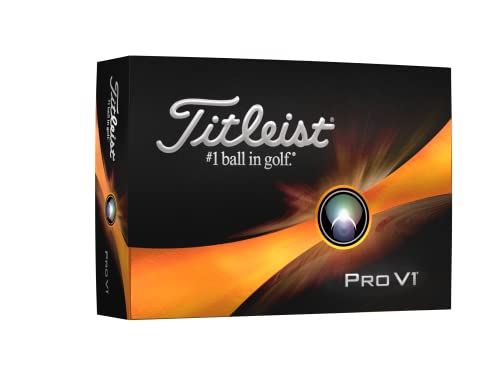
The issues Ping faced were multifold. Firstly, industry leaders like Titleist and Callaway had been investing substantially in extensive R&D and marketing for decades. This led to deep consumer trust and loyalty which Ping struggled to penetrate. No matter how good the product, disrupting this space required more than just performance; it needed strong brand recognition and marketing muscle.


- Established competitors
- Decades of loyalty
- Necessary market disruption
« Why Does a Golf Ball Help Plantar Fasciitis? Discover the Surprising Benefits
Free Golf Balls Samples 2023: Unlock Your Ultimate Match »
While you may have enjoyed the innovative aspects of Ping’s golf balls, the numbers painted a stark reality. Below is a comparison showcasing Ping’s challenge in making a significant dent in the market share dominated by giants:
| Brand | Market Share (%) |
|---|---|
| Titleist | 50 |
| Callaway | 15 |
| Ping | 1 |
Finally, consider the sheer volume of investment required to keep up with the aggressive marketing strategies of the bigger players. As an avid golfer, you know that recognition on the tour and amongst peers can greatly affect a product’s success. Ping’s decision to retreat and focus on their primary expertise in golf clubs may have stemmed from such overwhelming competition. Thus the rise was met with a fall, and the once promising future of Ping golf balls became a part of golf history.
- Investment in marketing
- Tour recognition impact
- Strategic retreat
Challenges Faced by Ping in the Golf Ball Industry
When you’re deeply involved in the golf world, you know the ball you play can be as crucial as the clubs in your bag. Ping, with its sterling reputation in golf club innovation, took a swing at entering the golf ball sector. However, they encountered several daunting challenges that ultimately led them off the green in this arena.
Brand Loyalty and Market Share loom large in the golf industry. Ping stepped onto a course where titans like Titleist, Callaway, and Bridgestone had long been favorites. These brands didn’t just occupy shelf space; they lived in the hearts of golfers who prized consistency and legacy. Breaking into this tightknit circle meant Ping had to persuade you to set aside a product you’d trusted potentially for decades.
Research and Development is another hurdle. The R&D behind golf balls is a sophisticated and costly affair, often requiring cutting-edge technology and extensive testing to produce a ball that meets the standards of players like yourself. Ping faced the dual challenge of innovating beyond what was already available and convincing golfers that their technology was superior.
Cost inefficiencies were evident as they attempted to disrupt the market. The production and distribution costs of establishing a new golf ball in an oversaturated market were massive. For a brand like Ping, which excelled in precision engineering for club manufacturing, the shift to becoming a competitive golf ball maker wasn’t just a step—it was a giant leap.
The impact of Tour Recognition also plays a pivotal role in the golf ball market. The visibility that comes from professional golfers using your ball in tournaments is a powerful form of endorsement. For Ping, carving out a significant presence on tour proved to be a considerable obstacle, making it tough to gain the crucial momentum needed to become a mainstay on the course.
Embedding themselves within this niche would require time, perseverance, and considerable financial investment. Given these towering hurdles, it’s no wonder Ping reassessed their priorities within the golf industry.
The Impact of Competition on Ping’s Golf Ball Business
Imagine stepping onto the fairway, driver in hand, ready to tee off, and the golf ball you’re about to hit is part of a fiercely contested market. That’s the scenario Ping faced in the golf ball arms race. You know as a low handicapper, performance and reputation make or break your game, and the same goes for golf ball manufacturers.
Ping, primarily known for their high-quality clubs, waded into waters teeming with sharks like Titleist, Callaway, and Bridgestone. These giants weren’t just competitors; they were institutions. Titleist’s Pro V1, for example, was and is the gold standard. It eclipsed others not purely through quality but through a kind of cult status. Ping had to create a product that not only equaled or surpassed the market leaders but also fought the battle of perception that golfers like you face when choosing your ammo for the course.


- Marketing savvy from competitors
- Extensive R&D departments
- Deep pockets for tour sponsorships
These were the tools of the trade for established brands. For a company known for their innovations in clubs, Ping’s entry was more than a testing of the waters—it was a strategic move that required capital, endurance, and a killer product.
On the greens where victory hinges on every stroke, Ping’s golf balls needed to offer something exceptional. Despite a respected name in precision engineering, they still had to carve out a distinctive space in a market that had been cornered by brands that wrote the book on golf ball success. Without the benefit of decades-long loyalty and the visibility on tour circuits, persuading discerning golfers like you to make the switch became a colossal task.
As you’ve pounded drives down the fairway and watched your approach shots land softly on the green, you’ve come to appreciate what works for you. Ping needed their golf balls to become a part of that equation, but breaking through preconceived notions and established preferences is a game all on its own. It’s one played not just on courses, but in R&D labs, marketing meetings, and endorsement deal handshakes, far from the 18th green where scores are settled.
Strategic Choices and the Decision to Stop Production
When you’re grinding out on the course, every shot counts, and the gear in your bag can make or break your game. You know how personal choosing a golf ball can be; feel, control, and trust in that little sphere is crucial. Ping, known for precision and quality in clubs, ventured into the golf ball arena where the competition is relentless. The choices they faced weren’t just about product development but also staying true to their core competencies.
Trying to carve out a slice of the market, Ping faced a challenging decision: was it more advantageous to focus on their already successful club line or continue investing in the fierce golf ball battleground? Established brands held firm ground with deep-rooted customer loyalty. You understand the fierce allegiance to a brand—it’s like sticking to your trusted set of irons that have seen you through countless rounds.
As a discerning golfer, you’d appreciate Ping’s dilemma. Do they channel funds into R&D, potentially revolutionizing the game further, or divert those resources to fortify what they’re already celebrated for? It’s the kind of tactical decision that carries considerable weight in a competitive industry.
The decision to halt golf ball production was no swing in the dark. It came after meticulous analysis and recognizing where their strengths lay. They opted to play to their advantages, which for decades had been producing top-notch golf equipment, minus the balls. In an industry driven by innovation and identity, Ping aimed to fortify its stronghold where they’ve always shone—innovations in golf clubs that players like you depend on for that edge in performance.
So next time you’re lining up for a crucial putt or teeing off on the 18th, remember that like Ping, you’re also making strategic choices. Every club in your bag represents a decision to play with tools that match your skills and ambitions on the green, except, perhaps, with one less contender in the golf ball game.
Conclusion
So there you have it. Ping’s choice to step away from golf ball manufacturing wasn’t taken lightly. It reflects a strategic move to double down on what they do best—crafting exceptional golf clubs that golfers around the world trust and love. You can rest assured that when you pick up a Ping club, you’re benefiting from the company’s undivided attention to quality, performance, and innovation. Now, let’s hit the greens with confidence, knowing that Ping’s legacy continues to thrive through every swing.
Frequently Asked Questions
Why did Ping decide to stop making golf balls?
Ping decided to discontinue their golf ball production to focus on their main strength—creating superior golf clubs. They aimed to reinforce their position in the industry and continue providing innovative and high-performance equipment.
What is Ping’s core competency?
Ping’s core competency is producing top-quality golf clubs. They have a strong reputation in the industry for creating innovative and high-performance golf equipment that appeals to players of all skill levels.
Will Ping continue to innovate in the golf equipment market?
Yes, by concentrating on their primary expertise in golf clubs, Ping plans to invest more into innovation and development, ensuring they stay at the forefront of the golf equipment market.
What does Ping’s strategic choice mean for golfers?
Ping’s strategic choice to focus on their golf clubs means that golfers can expect even more advanced and finely engineered clubs. Their decision emphasizes their commitment to enhancing the golfer’s experience through superior equipment.
How will Ping’s decision affect the golf ball industry?
With Ping stepping back from golf ball manufacturing, the competitive landscape of the golf ball market may see a shift. Other brands may increase market presence, and innovation could be driven by remaining and new competitors.