Ever wondered why those little dimpled spheres can make such a dent in your wallet? You’re not alone. Golf balls are a curious case when it comes to pricing, and you might be scratching your head trying to figure out if they’re actually cheap or if you’re just paying for a brand name.

In the next few minutes, you’ll dive into the world of golf balls and uncover what really goes into the cost. From materials and manufacturing processes to brand prestige and performance features, you’ll get the lowdown on why these tiny titans of the tee can vary so much in price. Keep reading to find out if you can swing for savings or if you’re stuck with a high-end expense.
What affects the cost of golf balls?
As you delve deeper into the game, you’ll notice golf balls can be surprisingly pricey, and you’re probably wondering what factors contribute to this. Material choices are at the forefront. The construction of a golf ball can range from two to six layers, each designed to affect performance features like spin, distance, and feel. Higher-end balls often feature a urethane cover, which provides a softer feel and better control but also drives up the cost. In contrast, surlyn-covered balls are more affordable and offer greater durability.
Manufacturing technology and innovation also elevate the price. Precision in the design of dimples, core composition, and layering impacts how a ball will perform under various conditions. For example, a ball engineered for low spin off the driver but high spin around the greens requires sophisticated design and testing, which isn’t cheap.
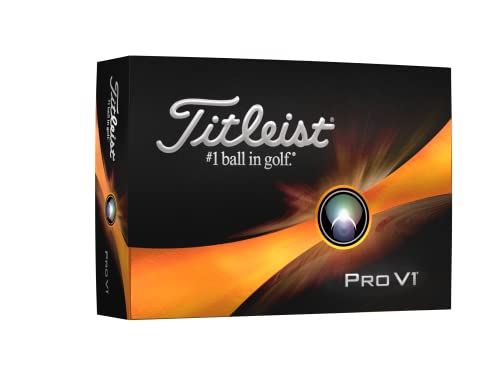
Brand reputation plays a significant role too. Paying for a set of Titleist Pro V1s isn’t just about the ball’s performance; it’s also about the prestige that comes with a premium brand. These companies invest heavily in marketing and sponsorship, and these costs inevitably spill over into the price you pay.
Let’s break down key elements that contribute to the cost:
- Materials: Urethane covers are more expensive than surlyn.
- Construction: Multilayer balls with intricate core designs cost more to produce.
- Technology: Advanced aerodynamics and manufacturing processes.
- Brand: High-profile brands often have a higher price tag.
Remember, while you may feel the pinch in your wallet, investing in the right golf ball can make a noticeable difference in your game. It’s all about finding the balance between cost and performance. So when you’re lining up your next shot on the fairway, consider the tech and innovation that’s gone into giving you that extra edge—it might just help justify the spend.
Materials used in golf balls
When you’re out on the course, every stroke counts, and the golf ball you choose plays a crucial role in your performance. The materials used in the construction of golf balls are pivotal, affecting not just cost but also the feel and control you have over your game.
Urethane is often the go-to material for the outer layer of high-quality tour-level balls. Its softness provides a superior feel and allows for better spin control, ideal for you as a low handicapper looking to shape shots and land soft greens. However, the increased manufacturing costs of urethane translate into a heftier price tag for these balls.


« Best Golf Ball for Average Swing Speed: Discover Top Picks for Control & Distance
When Golf Ball is Above Your Feet: Master Sloped Fairway Shots Now »
On the other end of the spectrum, balls with Surlyn covers offer durability and resistance to cuts, a sensible choice if you’re less concerned with spin and more with longevity. Surlyn-covered balls typically come at a lower cost, which can be a relief for your wallet, especially if you tend to lose a few to those pesky water hazards.
In the middle layer, or the mantle, golf ball manufacturers often use a blend of materials designed to bridge the gap between the soft cover and the core. This layer can significantly affect the ball’s performance, and materials such as ionomer resins contribute to the ball’s velocity and overall feel.
The core is where things get interesting. Here, you’ll usually find rubber materials, with some manufacturers incorporating titanium mixtures. The core’s composition plays a critical role in energy transfer from your swing to the ball, dictating the distance it will travel. A high-quality core means better energy transfer, and yes, a higher price point.
While pondering over your next purchase, understanding that the top-tier balls are crafted to deliver performance enhancements you can really benefit from should help justify the expense. Remember, sometimes saving a few dollars on balls can cost you strokes on the scorecard. Your game deserves the right tools, so consider what materials align best with your play style before making your next investment.
Manufacturing processes and their impact on pricing
When you’re scouring the golf shop for the next addition to your golf arsenal, you might not think much about what goes into making those golf balls. But the truth is, the manufacturing process is a significant factor in the cost of your golf balls. Tour-level balls, which offer that excellent control and feel you’ve come to appreciate, involve a complex, multi-layer construction.
Precision engineering comes into play to design the layers and cores to specific standards. For instance, the dual-core in some high-end balls requires intricate crafting. At this stage, manufacturers aim for a balance between softness for feel and firmness for distance, influencing the labor and material costs.
The creation of the outer layer or cover also requires specialized processes, especially with urethane. It’s this soft, durable material that gives you that much-coveted spin control on approach shots but needs precise casting or injection molding. This process is more labor-intensive than creating Surlyn covers and is reflected in the price.
Don’t forget about the dimple pattern – it’s not just there for looks. The design and implementation of the dimple pattern influence aerodynamics. A ball that’s optimized for low drag and a stable flight trajectory isn’t just the result of a happy accident; it’s the product of extensive testing and sophisticated design software which all add up in the R&D column.
Finally, consider the quality control mechanisms that ensure each batch of golf balls meets the rigorous standards required for consistent performance. Premium brands often have stricter tolerances, leading to a higher scrap rate, which in turn impacts the cost.
Keep in mind that advanced technologies and labor skills come with a price. When you pay a premium for the top-tier golf balls, you’re not just paying for the brand name; you’re investing in a product that’s undergone meticulous design and manufacturing processes to deliver results on the course that align with your low handicap game.


Choose wisely, as even the smallest detail in the manufacturing process can affect the way you play. Whether it’s the precision of the core’s construction or the integrity of the cover, these factors play a crucial role in the performance and cost of your golf ball.
The influence of brand prestige on golf ball pricing
When you’re out on the course, selecting the right golf ball, brand prestige often plays an unspoken role. It’s not just about the physical aspects of the ball—brand reputation and marketing can significantly inflate the price.
Top-tier brands like Titleist or Callaway have developed a strong following over the years. They’ve built trust through consistent product performance and presence on professional tours. As a result, they often charge a premium for their golf balls. Here’s why:
- Pro endorsements boost the visibility and perceived value of these golf balls. Tour professionals using a certain brand send a message that it’s a high-quality choice.
- Extensive marketing campaigns help in imprinting these brands in your mind as the go-to for a superior golfing experience.
The price tags on these brands reflect more than just the cost of materials and manufacturing. They encapsulate years of R&D investment, sponsorships, and advertisements.
However, while it’s easy to be swayed by brand allure, remember that a higher price doesn’t always equate to a better game for your specific playstyle. Emerging brands often offer comparable technology and performance without the steep price. They’re battling to win over your loyalty and may present a better value proposition.
Let’s look at the numbers:
| Brand | Average Price (per dozen) | Market Share |
|---|---|---|
| Titleist | $47.99 | 47% |
| Callaway | $44.99 | 15% |
| Emerging Brand | $29.99 | 8% |
The table above highlights the price disparity tied to brand prestige. More affordable options might not carry the same prestige, but they frequently match their higher-priced counterparts on the course in terms of performance.
When considering brand prestige in your next purchase, weigh the benefits of the brand’s history against your actual needs as a player. Do you truly need the latest Pro V1 that your favorite golfer swears by, or could a lesser-known but equally capable ball serve you just as well without denting your wallet? This reflection can make all the difference in your long game—and your finances.
Performance features and their contribution to cost
If you’re passionate about golf and strive to lower your handicap, you know that the performance features of a golf ball can substantially affect your game. High-performance golf balls come with an array of features that contribute not just to your game but also to the overall cost of the ball.
Spin control is a defining factor for players looking to shape their shots. Generally, balls designed for high spin offer a great deal of control around the greens, allowing you to approach the hole with precision. These balls typically have softer covers and a multi-layer design, which adds to manufacturing costs.
Distance is another critical feature. The core of your golf ball is its engine. Balls that are engineered for maximum distance often have firmer cores and advanced materials that enhance energy transfer from the club face to the ball. Manufacturers invest in research and development to concoct polymers that perfect this transfer—thus, driving up the price.
- Advanced aerodynamics with optimized dimple patterns
- Urethane covers for better greenside control
- Gradational core for distance and soft feel
Let’s not forget durable materials. Durability means you’ll be utilizing the same ball for more rounds, provided you keep it out of the woods and water. This benefit may justify the higher upfront cost; however, developing materials that last is an intricate process that requires additional investments in research, resulting in a pricier product.
Consider the technology necessary to strike that perfect balance between durability, feel, and performance. Supercomputer simulations and high-speed robotic testing machines come into play to perfect designs, all of which account for a significant part of the ball’s price.
Some of the advanced features that influence the cost of golf balls include:
When you’re out there assessing your next golf ball purchase, think about the technology and design innovation that goes into every aspect, from core to cover. Whether it’s the extra yards off the tee or the spin control that gets you closer to the pin, remember these high-tech features are what make premium golf balls an investment in your game.
Are there affordable options for golf balls?
Absolutely, you’re not limited to premium tour-level golf balls if you’re looking to save a bit of cash on the course. The market offers a variety of affordable options that don’t compromise on quality. Here’s the lowdown:
For starters, value balls are geared towards everyday play. They might not have the complex multi-layer construction of the more costly alternatives, but they do offer a reliable performance for the average golfer. Typically comprising two-piece construction with a durable cover, they’re designed to last longer even if you’re playing rounds regularly.
Exploring direct-to-consumer brands can also lead to striking a good deal. These companies cut out the middlemen, which equates to significant savings for you. Plus, they often produce balls that rival the feel and distance of higher-end models.
- Surlyn covers offer a solution for budget-conscious golfers. While urethane covers are sought-after for their spin and control around the greens, surlyn options provide adequate performance with greater durability, and at a lower cost.
Another approach to finding affordable golf balls is looking into overrun balls. These are excess balls typically manufactured for custom logo orders. Sold at a discount, they’re brand new and offer the same level of performance – minus the branding of a corporation or event.
Lastly, refurbished or recycled balls might just fit your budget-friendly approach. These pre-owned balls are cleaned, sometimes repainted, and graded for quality. If you’re not competing professionally, these could be a smart pick, allowing you to enjoy near-premium play on a friendly budget. Just be wary of the quality, as it can vary significantly.
Bear in mind, while the savings are attractive, the feel and performance might differ from what you’re used to with tour-level balls. It’s all about finding the right balance between cost and what plays best for your game.
Conclusion
So you’ve seen that while the quest for the perfect swing might not break the bank, the balls you’re driving down the fairway could. It’s clear that the craftsmanship and technology behind those tour-level golf balls do come at a price. But remember, there’s a world of options out there. You don’t have to splurge on premium brands to enjoy a good game. Affordable alternatives can still meet your needs without compromising too much on quality. So before you hit the checkout, think about what you really need from your golf balls. After all, whether you’re a weekend warrior or a seasoned pro, your best shot starts with choosing the right ball for your game.
Frequently Asked Questions
Why do tour-level golf balls cost more?
Tour-level golf balls are more expensive due to their complex multi-layer construction, specialized urethane covers, and the extensive testing required for optimizing aerodynamics. High-quality materials and meticulous quality control measures also contribute to their higher pricing.
How does the brand name affect the price of golf balls?
Top-tier brands like Titleist or Callaway often charge a premium for their golf balls because of their strong reputation, marketing investments, and endorsements from professional players. These factors build brand prestige, which can influence the cost.
Are expensive golf balls worth the investment?
Expensive golf balls can offer superior control, spin, and distance, making them a worthwhile investment for players looking to improve their game. However, individual needs vary, and many lesser-known brands provide high-quality options at a lower cost.
What performance features add to the cost of golf balls?
Performance features such as advanced aerodynamics, optimized dimple patterns, urethane covers for better greenside control, and gradational cores for distance and soft feel increase the manufacturing complexity and, hence, the cost of the ball.
Can you find affordable golf ball options with reliable performance?
Yes, there are affordable golf ball options like value balls, direct-to-consumer brands, surlyn covers, overrun balls, and recycled or refurbished balls. They offer cost savings and provide reliable performance, although the feel may differ from tour-level balls.