Ever wondered why some golf balls seem to soar farther and straighter than others? It’s not just your swing that’s making the magic happen. The secret might just be in the dimples, the core, or even the cover of the ball itself.

In your quest to shave strokes off your game, picking the right golf ball is as crucial as choosing the right club. We’re about to dive into the legends of the fairway—the best golf balls ever made that have changed the game for amateurs and pros alike.
The Importance of Choosing the Right Golf Ball
When you’re scouring through dozens of golf ball brands, it can feel like you’re on a quest for the Holy Grail. But hang in there; finding the perfect ball is crucial to shaving strokes off your game. Think about it – you use the golf ball on every single shot. It’s the one constant as you move from tee to green.
Your swing speed, that unique hallmark of your game, is one of the first things to consider. If you’ve got a swing speed faster than a sports car, you’ll need a ball that can keep up, typically with a firmer construction for less spin and more distance. For the smoother swingers, a softer ball can help you achieve maximum performance, enhancing your control and feel.
Don’t forget about the dimples. These aren’t just for show; they’re meticulously designed to manage the ball’s aerodynamics. Depending on their size and pattern, they can influence the trajectory and stability of your shots, even on a windy day. That’s a big deal when you’re aiming for precision over distance.
Let’s chat about the cover material. Urethane covers are like the luxury sedans of golf balls – premium feel and excellent spin control around the greens. Meanwhile, Surlyn covers might not give you the same soft touch, but for durability and a consistent flight path, they’re hard to beat.
Lastly, consider the core. This is the engine of the golf ball. Advanced materials and construction can optimize energy transfer from your club to the ball, resulting in the perfect blend of distance and accuracy. You’ll want to pay attention to the compression rating too. A lower compression works wonders for slower swing speeds, while higher compression is ideal for the power hitters.
Remember, personal preference plays a significant role too. Your feel for a golf ball is subjective and critical. Take time to test different types and brands on the course, not just the driving range. Observe how they react to your short game – this is where the right golf ball can save you those precious few strokes.
With modern technology pushing the limits, it’s an exciting time to be searching for the best golf balls ever. Bringing together the right characteristics for your specific needs can yield a formidable advantage over your competition. Experiment and assess; your ideal golf ball is waiting to make those winner-takes-all putts just a little less daunting.


The Role of Dimples in Golf Balls
« Which Are the Best Golf Balls for Ladies? Discover Your Perfect Soft-Feel Match
Best Golf Balls for Simulator: Top Picks & Testing Tips for 2023 »
Ever wondered why golf balls have dimples? It’s not just for show. Those tiny indentations play a massive role in how your ball behaves in the air. As a low handicapper, you’re always looking for that extra edge, and understanding dimple design could be key.
Dimples reduce air resistance and affect how air flows around the ball. Without them, your ball would behave like a bullet, shooting straight out with a much higher drag – that means less distance no matter how hard you strike. The dimple’s job is to create a thin layer of air that clings to the ball’s surface, reducing drag and increasing lift. It’s this combination that allows your ball to take that beautiful arched flight before descending gracefully onto the fairway or green.
Golf ball manufacturers have poured extensive research into dimple patterns and sizes. There’s no one-size-fits-all approach here. Depending on the brand and model, you’ll see different dimple configurations. Some balls boast more dimples, some fewer, and all with varying depths. These variations cater to different aspects of flight and spin, making some balls a better fit for your play style than others.
Think of dimples as the unsung heroes of your long drive. They’re why you can hit a ball across a vast distance and why pro golfers can make a ball do seemingly impossible things in the air. Next time you’re testing out new golf balls, pay attention to the dimple patterns. It’s an often overlooked aspect that could have a significant impact on your game. Just because you’re already a good golfer doesn’t mean your gear can’t make you better. By tailoring your ball choice to the way you play, you’ll leverage those dimples to maximize your performance where it counts.
The Evolution of Golf Ball Cores
As a low handicapper, you’re always looking for ways to optimize your game. Understanding the evolution of golf ball cores is quintessential to making informed decisions about which ball can give you the competitive edge.
Gone are the days of the humble feathery and gutta-percha balls. Modern golf ball cores have developed from simple solid rubber to advanced multilayer designs. Initially, golf balls featured a single solid core, usually made of a hard rubber compound, which provided basic distance and control.
By the late 20th century, manufacturers began experimenting with dual-core technology. This innovation enabled balls to offer a combination of reduced spin for longer drives and increased spin for control on the greens. The inner core was typically softer to control spin, while the outer core was firmer to provide energy transfer for maximum distance.
In today’s high-tech golf balls, it’s not uncommon to find three, four, or even five-layer cores. This layering technique allows precise control over various aspects of performance, such as compression, spin, and feel. For instance, a low-compression core might offer better feel and control for golfers with a slower swing speed, whereas high-compression cores are designed to benefit those with faster swings by maximizing distance.
| Core Layers | Benefits |
|---|---|
| Single-Core | Basic distance and feel |
| Dual-Core | Distance + Greenside Spin |
| Multi-Layer | Customized performance |
Urethane and ionomer blends are now commonly used for the outer layers, refining the interaction between the core and the cover of the golf ball. This synergy greatly affects the launch and flight characteristics and ultimately how the ball reacts on the putting green.
It’s clear the innovation in golf ball cores has been pivotal in catering to your style of play. There’s a golf ball out there with a core design tailored to your swing speed, control needs, and preferred feel. By understanding how core technology has evolved, you’re better equipped to select a golf ball that complements your low handicap skills and keeps you ahead of the competition on the course.


The Impact of Compression on Distance and Control
When you’re zeroing in on the perfect golf ball, understanding compression is like unlocking a secret level in a game. Compression rating, measured on a scale from low to high, tells you how much the ball deforms at impact.
For you, as a low handicapper, a higher-compression ball often equates to better control. Why? Because when you strike with a high swing speed, a high-compression ball will deform less, resulting in a more solid contact. Tour-level balls, with compression ratings of 90 and above, will give you the responsive feel you need on full shots.
Here’s the deal with distance – it’s not as straightforward as you might think. Yes, low-compression balls usually add yardage for players with a slower swing speed as they create more spring off the tee. But that doesn’t mean they can’t work for you. It’s all about the feel and accuracy in your long game. Can you dial in your distances? Do your shots land softly with precision? That’s what really counts.
It’s crucial to know that today’s golf balls are engineered with sophisticated layers that allow for various compression ratings across different parts of the ball. This means that even within a single swing, different parts of the ball will compress to varying degrees, aiding in both control and distance.
Consider these factors:
- Swing Speed: Pair your swing speed with the right compression for maximum efficiency.
- Temperature: Compression can feel different in varying weather conditions; cold weather may make even the softest balls feel harder.
- Personal Preference: Ultimately, it’s about what feels right to you. Don’t ignore the sensory feedback you get when striking the ball.
So when you’re next in the market for a new set of golf balls, don’t just go by what the pros use or what your buddies recommend. Take into account your playing style, swing dynamics, and yes – the mystical world of compression – because it could make all the difference in those final few strokes that set the leaders apart.
Top Golf Balls of All Time
When you’re on the search for the best golf balls ever, you’ll likely come across some legendary names. Remember, the best doesn’t just spell maximum distance; it’s about how it feels off the clubface, the control it gives you on approach shots, and even its durability on the fairways. Let’s break down a few top performers that have made a significant impact on the game you love.
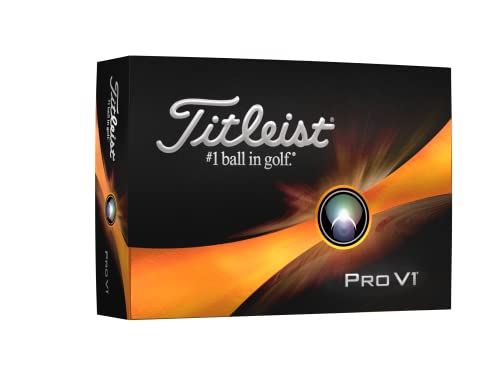
- Titleist Pro V1: It’s no surprise that this ball tops the list. Since its debut, the Pro V1 has been a game-changer, respected for its consistent flight and exceptional spin control. It’s a favorite among tour pros and club golfers alike. With a perfect blend of distance and short-game finesse, you know you’ve got a reliable companion for every round.
- Callaway Chrome Soft: This ball is regarded for its groundbreaking Dual SoftFast Core, which provides an unrivaled combination of distance off the tee and soft feel around the greens. If you’re after a ball that promises to reduce spin on long shots while maintaining control on pitches and chips, the Chrome Soft could be your ideal pick.
- Bridgestone Tour B series: Bridgestone has long been at the forefront of golf ball innovation, and the Tour B series showcases why. Whether it’s the X, XS, RX, or RXS, each ball is tailored to different aspects of your game. If you’ve got a fast swing and desire optimal spin control, the Tour B X might just be your secret weapon.
- TaylorMade TP5/TP5x: These models broke new ground with their 5-layer construction. They’re particularly admired for their ability to perform in the wind—an aspect you shouldn’t overlook. If you’re playing courses where the wind comes into play, having a TP5 or TP5x in your bag would be wise.
Don’t forget to match the ball to your typical playing conditions and personal preferences. Those Scottish links courses with blustery conditions demand a different beast than the calm, sun-kissed greens of Southern California. As a low handicapper, you’re well aware that sometimes it’s the subtle differences in texture, layering, and response that can sway your preference for one ball over another.
Conclusion
Frequently Asked Questions
What factors should I consider when choosing a golf ball?
When selecting a golf ball, consider your swing speed, the number of dimples, cover material, and core construction to ensure the ball complements your playing style.
Why is swing speed important in selecting a golf ball?
Swing speed influences ball performance; golfers with slower swing speeds may benefit from balls designed for greater distance, while faster swingers might prefer balls with higher control and spin.
What role do dimples play in golf ball design?
Dimples affect the aerodynamics of the ball, influencing flight distance, trajectory, and stability in various weather conditions.
How does the cover material of a golf ball impact the game?
The cover material can alter the feel of the ball on impact and its durability. Urethane covers typically offer better control and softer feel, ideal for more advanced players, while Surlyn covers are more durable and suitable for beginners.
What is the difference between the Titleist Pro V1 and Callaway Chrome Soft?
The Titleist Pro V1 is known for its balance of distance, consistent flight, and control, while the Callaway Chrome Soft is designed for a soft feel and low spin with longer drives, catering to players seeking maximum distance and straight flight.
Are the Bridgestone Tour B series golf balls suitable for any player?
The Bridgestone Tour B series has variations to suit different types of players, each with unique features aimed to optimize performance based on the player’s swing speed, feel preference, and other individual characteristics.
How do I match a golf ball to my playing conditions and personal preferences?
Evaluate the common conditions of the courses you play—like wind, greens’ firmness, and temperature—and your own playing style (e.g., spin preference, feel at impact) and choose a ball with characteristics that align with these factors.