Golf simulators have revolutionized the way you enjoy golf indoors, but to get the most out of your swing, you’ll need the right golf ball. Not all balls are created equal, especially when it comes to simulating the real deal.

Importance of choosing the right golf balls for a simulator
When you’re delving into the world of indoor golf, understanding the type of ball you use on your home simulator is essential. Remember, the golf balls you choose can significantly impact the accuracy of your sim’s sensors. So, if you’re aiming to refine your game, sharp precision should be at the top of your priorities.
Golf simulators rely on advanced technology to detect spin, speed, trajectory, and other aspects of your shot. Regular practice balls might not deliver the same level of detail you’d expect as they could vary in weight, feel, and performance from the standard golf balls you use on the course. This discrepancy can throw off your game when you transition back to outdoor play. Do your skills justice and invest in quality golf balls that replicate the true golfing experience.
Moreover, specific simulator-friendly golf balls are designed to be less abrasive on your equipment. This means they’re gentler on the screen and the hitting mat, potentially saving you money on wear and tear in the long run. Not to mention, quality simulator balls are crafted to withstand the repetitive impact they endure within an indoor setup. So, durability should be a box to check off on your list.
Additionally, the level of feedback you receive is crucial. A top-tier simulator golf ball should provide a realistic feel upon impact, and the performance should align closely with what you experience on the course. This resemblance in feedback helps you to fine-tune your swing, understand your mistakes, and ultimately, elevate your game.
Here’s a tip: When choosing golf balls for your simulator, consider these factors:
- The ball’s construction and how this affects simulation accuracy
- Durability to ensure the balls can handle repeated use
- The overall feel to help you better translate practice into on-course improvements
Selecting the right golf balls makes a world of difference in your virtual golf experience. It helps maintain consistency, provides valuable feedback, and prevents damage to your simulator setup. Make sure you’re hitting the mark every time by picking balls that are up to par with your expectations and those of your simulation technology.
Factors to consider when selecting golf balls for a simulator
As an avid golfer who’s keen on improving your game, you understand the importance of every detail, including the golf balls you use in a simulator. Here’s what you should keep in mind when making your selection:
Performance Consistency
You want your practice to mimic real-life conditions as closely as possible. For this reason, you need to choose golf balls that offer:


- Uniform weight distribution
- Stable flight characteristics
- Dependable spin rates
« Best Golf Balls Ever: Unlock Your A-Game with These Top Picks
Reasons for Hitting Golf Ball Thin: Swing Fixes for Pure Contact »
Balls that tick these boxes ensure you’re getting the right feedback on each shot, helping you fine-tune your skills effectively.
Simulator Compatibility
Simulator sensors have varying degrees of sensitivity, so consider:
- The material and finish of the ball
- Brand recommendations from simulator manufacturers
- Reviews from fellow golfers about ball performance on specific simulators
Opting for balls that are compatible with your simulator’s technology is vital for accurate data capture.
Longevity and Durability
Since indoor simulators can be harsh on golf balls, you’ll want something that stands the test of time. Look for:
- High-quality urethane covers
- Robust inner core construction
Durable golf balls prevent frequent replacements and perform consistently over a more extended period.
Feel
Just because you’re indoors doesn’t mean you should compromise on the feel. The ball should replicate the on-course sensation, which is crucial for:
- Gauging shot power
- Understanding spin control
- Establishing a reliable touch around the greens
While the right feel is subjective, aim for a ball that instills confidence in your swing and puts a smile on your face with each thwack.
Budget
Finally, your budget plays an undeniable role. Although you might be tempted to go for lower-priced options, remember the adage: you get what you pay for. Investing a bit more often returns dividends in the form of more effective practice sessions and a better overall simulator experience. Be wise with your spending, but don’t cut corners where quality is concerned.
Each factor is a piece of the puzzle to create the perfect indoor golf experience. Keep them in mind, and you’ll find the golf balls that lead you to a lower handicap.
Top features to look for in golf balls for a simulator
When you’re on the hunt for the best golf balls for your simulator, you’ll want to focus on a few key characteristics. After all, your aim is to replicate the feel and reaction of a real golf ball as closely as possible.


Simulator Specific Ball Design
Some golf balls are specifically designed for simulator use. These balls often boast:
- Enhanced durability to withstand repeated impacts against screens or nets.
- A construction that’s tailored to provide accurate simulator readings.
Real-Feel Performance
It’s crucial that the ball you choose performs like the ones you’d hit on the course. This means it should have a comparable flight pattern, distance, and spin. A ball that behaves like your regular ball helps maintain consistency in your game, whether you’re inside or on the grass.
Limited Flight Options
If space is at a premium and you’re worried about hitting a full-fledged drive, consider limited flight balls that are:
- Engineered to travel a shorter distance.
- Ideal for smaller simulator setups.
Visibility and Markings
Golf balls that are easier to see can enhance your simulator experience. Bright colors or unique markings can:
- Help you track the ball’s motion against similar background colors.
- Allow for easier recovery if it goes astray.
Multi-layer Construction
A multi-layer golf ball provides the nuanced performance you’re accustomed to on the course. Focus on balls with:
- Multiple layers for that authentic feel.
- A urethane cover that mimics the performance of tour-level balls.
Data Consistency
You need a ball that provides consistent data from swing to swing. Reliable feedback allows you to analyze and improve your game efficiently. Make sure the golf ball you choose gives consistent readings off the clubface and throughout the ball’s flight.
By bearing these features in mind, you’ll set yourself up for a more realistic and fulfilling simulator experience. Remember, your choice can significantly affect your training and overall enjoyment, so take the time to find the perfect fit for you and your simulator setup.
Best golf balls for simulators
When you’re dialed into your game, the right golf ball can feel like a secret weapon. That’s why selecting the best golf balls for your simulator is a game-changer. You want balls that not only mimic the feel and performance of your favorite course balls but also deliver precise data for each swing you take indoors.
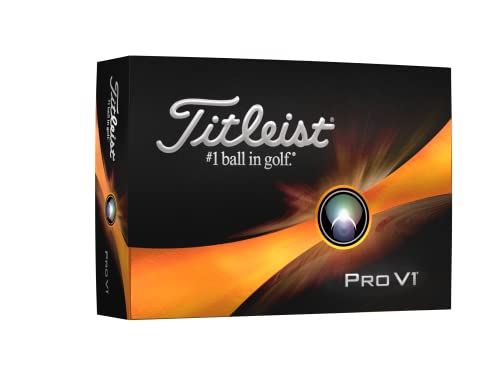
Titleist Pro V1 is a top pick across the board. With its consistent flight and spin control, it’s a no-brainer for your simulator sessions. These balls are engineered to provide a real-course feel with every shot. Plus, their durability ensures they withstand the repeated impact against the simulator screen.
Callaway Chrome Soft balls are another excellent option that brings tour-level quality to your home setup. They boast an ultra-soft feel, and their Dual SoftFast Core aids in long, straight flights whether you’re inside or out. The bright design also makes them easier to track on the screen for a better visual experience.
If budget’s a part of your consideration, look into the Srixon Q-Star Tour. They’re often more affordable without sacrificing playability. The softer feel and Spin Skin coating make for a high-performing ball that responds to every nuanced shot you make.
For those of you who want to safeguard their simulator while still dialing in accuracy, consider Almost Golf Balls. These practice balls are designed to protect your surroundings and equipment but still provide valuable feedback on your swing.
- Titleist Pro V1: Durability and consistency
- Callaway Chrome Soft: Soft feel and visibility
- Srixon Q-Star Tour: Affordable without performance loss
- Almost Golf Balls: Equipment-friendly and accurate
Remember that while driving range balls might be tempting for their price and bulk availability, they often lack the quality and performance of these simulator-friendly options. The key is finding the right balance between performance, data consistency, and budget to make the most of your indoor practice sessions.
Tips for testing and comparing golf balls for a simulator
When you’re on a quest to find the ideal golf ball for your simulator, testing and comparing various options is key. You’ll want to ensure that the balls you’re considering perform well under simulated conditions, which can differ from the real course. Here are some pointers to guide you through the process.
Start by setting up a controlled environment in your simulator. Consistent lighting, no drafts, and a stable tee location help in obtaining repeatable data. When you’ve got that dialed in, it’s time to focus on the testing methodology.
Select a Variety of Brands
- Titleist Pro V1
- Callaway Chrome Soft
- Srixon Q-Star Tour
- Almost Golf Balls
Ensure you’re testing a range of balls, from premium to practice options. This helps in understanding how different construction and compression levels affect performance in a simulator.
Monitor Spin Rates and Launch Angles
Key metrics like spin rates and launch angles are critical. Use your simulator’s analytics to gather data and look for consistency in these numbers. A ball that gives you consistent backspin and a stable launch angle often translates to better control in the real world.
Note the Feel and Sound
Don’t underestimate the importance of how the ball feels off the clubface, and the sound it makes. These sensory cues can affect your confidence and swing.
Keep Track of Distance and Accuracy
Jot down the carry and total distances for each ball. You’re looking for a ball that offers a good combination of both, without sacrificing too much of one for the other.
Observe Durability
Finally, take note of how the balls hold up during your sessions. You don’t want a ball that gets scuffed or deforms too easily, as this can skew your performance data over time.
By carefully testing and comparing, you’ll find the perfect golf ball that not only enhances your indoor play but also informs your choices when you’re ready to hit the actual greens. Remember, the best ball for your simulator is one that reflects accurate play data, feels good off the club, and withstands the test of time—or at least the duration of your indoor season.
Conclusion
Frequently Asked Questions
What are the best golf balls for simulators?
The best golf balls recommended for simulators are the Titleist Pro V1, Callaway Chrome Soft, Srixon Q-Star Tour, and Almost Golf Balls. Each offers unique performance characteristics suitable for simulator play.
How should I test golf balls in a simulator?
To test golf balls in a simulator, set up a controlled environment and test multiple brands. Monitor spin rates and launch angles, note the feel and sound of the ball upon impact, and keep track of measurements like distance and accuracy. Additionally, observe the balls’ durability during the sessions.
What should I look for when choosing a golf ball for a simulator?
When choosing a golf ball for a simulator, consider its spin rate, launch angle, feel, sound, distance, accuracy, and durability. These factors can significantly impact your virtual game and reflect the ball’s real-life performance.
Why is it important to choose the right golf ball for a simulator?
Choosing the right golf ball is crucial for a simulator because it can affect your virtual gaming experience. The correct ball will provide realistic feedback and performance data that can inform your decisions and improve your game on actual greens.
Can simulator golf balls affect game improvement?
Yes, using the appropriate golf balls on simulators can lead to game improvement. Accurate feedback and performance from the ball can help you make informed decisions on the course and refine your skills effectively.