Ever wondered why some golf balls seem to soar further down the fairway than others? It’s not just your swing that’s at play here. The secret to those extra yards could very well be the ball itself.

You’re about to dive into the world of long-distance golf balls, where technology meets aerodynamics to create the ultimate game-changer. We’ll explore which balls are making the cut and why they’re the go-to choice for players looking to up their game.
Stay tuned as we tee off into the details that could give your next round that winning edge. Whether you’re a seasoned pro or a casual weekend golfer, knowing what ball to use can be a game-changer.
The Impact of Golf Ball Design on Distance
You know all too well that the design of a golf ball is critical in how far it’ll fly off your tee. It’s not just about the strength of your swing; it’s the meticulous engineering that goes into those dimpled spheres that makes all the difference. Let’s delve into the features that directly impact a golf ball’s ability to cover vast distances.
Core Composition
At the heart of a golf ball, lies its core. High-energy cores are often designed to increase the initial velocity of the ball. These cores are typically made of polybutadiene, a type of rubber that’s engineered to respond to your swing with resilience and speed. The harder you hit, the more compression you create, and the farther the ball sails down the fairway.
Dimple Pattern and Aerodynamics
Dimple patterns are not just for show; they play a key role in aerodynamics. A smoother ball will succumb to air resistance, but those dimples reduce drag, allowing the ball to cut through the air more efficiently. The number, size, and shape of the dimples can determine the airflow around the ball and contribute to how it behaves in flight.
- More dimples: Potentially smoother flight
- Deeper dimples: More air turbulence, impacting lift and drag
- Shallow dimples: Can result in lesser air resistance and more distance
The best distance balls strike a balance with a dimple design that complements your swing speed and the typical conditions you play in.
Cover Material
Surlyn and urethane are the two most common cover materials. Surlyn covers, typically found on distance balls, are hard and durable, made to last several rounds. They offer less spin, which in turn can enhance your driving distance. On the other hand, urethane covers give you more control and spin around the greens but can affect the ball’s ultimate distance off the tee.
Remember, it’s not just about picking the premium brand; it’s about finding the golf ball whose design resonates with your style of play. Ball fitting sessions are an excellent way to see which type complements your game, but nothing beats testing them out on the course where it really counts. Keep an eye on how these design aspects influence the ball’s performance next time you’re out playing—every yard counts.


Core Technology: Unleashing Power and Distance
« Best Golf Ball Collector: Tips to Boost Your Game Efficiently
Is Golf Ball Velocity Key to Distance? Unlock Hidden Yards on the Course »
As a savvy golfer, you’re always in pursuit of that extra edge on the course. One of the most significant factors in achieving maximum distance lies within the heart of your golf ball – the core. The design and materials of a core can drastically alter your ball’s behavior, affecting how your powerful swing translates into sheer distance.
Modern golf balls feature a multilayered core design, each engineered to perform a specific function. At the innermost, you’ll find a large rubber or resin core that serves as the primary source of power. This component primarily focuses on energy transfer – the more efficiently it can transfer the energy from your swing to the ball, the farther the ball will travel.
Surrounding the inner core, additional layers work in concert to modulate the ball’s performance. The interaction between these layers influences the compression of the ball when struck. Low-compression golf balls tend to be softer, allowing you to compress the ball more with slower swing speeds, which can result in increased distance for many players. In contrast, high-compression balls are usually favored by golfers like you with faster swing speeds, as they provide a better energy return.
Manufacturers use sophisticated materials, such as polybutadiene, in their core construction to offer a diverse range of balls suitable for all types of players. Some brands have even incorporated advanced technologies like graphene, an incredibly strong and light material that enhances both distance and durability.
You’ve likely noticed the term “gradational core” thrown around in the golfing world. This refers to a core that varies in density from the center outward, optimizing the balance between distance and feel. The gradational design helps in reducing spin off the tee, which in turn maximizes rollout for those few extra yards.
To truly understand how much difference a high-tech core can make, you should experience it firsthand. Participate in ball fitting sessions and experiment with various brands and models on the course. For a low handicapper, feeling the actual impact and seeing the ball’s flight is the best way to gauge its potential to enhance your long game. Remember, the quest for the perfect ball is just as unique as your swing. Keep swinging, and let the core technology work in your favor.
Cover: How Different Materials Affect Distance
When you’re eyeing the fairway, choosing your golf ball can be as strategic as selecting your club. The cover of a golf ball, often overlooked, is pivotal in dictating distance. Urethane and Surlyn are the two primary materials used for covers, and they play unique roles in your game.
Urethane, typically found on tour-level balls, offers a softer feel and more significant spin rates. This higher spin can lead to better control around the greens but believe it or not, it also contributes to distance. How? A well-struck shot creates backspin, and with a urethane cover, there is enough grip to create lift, translating that spin into longer carry through the air. Plus, the softer cover engages more fully with the clubface, maximizing the energy transfer.
In contrast, Surlyn-covered balls are harder and generally promote less spin. You might think this means less distance, but on tee shots, less spin can actually reduce drag and keep your ball flying straighter, resulting in more rollout upon landing. Surlyn covers are durable and less prone to scuffs and cuts, so your ball maintains its aerodynamic properties over time.
Understand though, the choice between Surlyn and urethane isn’t black and white. It’s not just about distance but how the ball feels on impact, how it behaves on the green, and how it reacts to different weather conditions. Experimentation is key.


Here’s a tip: next time you’re out, play a sleeve of urethane-covered balls on the front nine and switch to Surlyn for the back nine. Note the difference in not just total distance but also the trajectory and handling in the wind. You’ll likely find that the weather and course conditions greatly influence which cover type maximizes your distance.
Ultimately, your skill level and playing style should guide your choice. Lower handicappers often benefit from the increased control urethane offers, while beginners or high handicappers might find the durability and straight flight of Surlyn more forgiving on errant shots.
Dimples: The Secret to Airborne Success
Have you ever wondered why golf balls have dimples? Those tiny indentations are more than just for aesthetics; they’re the key to defying drag and enhancing distance.
Dimples on golf balls create a thin layer of air that clings to the surface, reducing the wake behind the ball and thereby drag. This means dimples are actually engineered to make your ball fly farther. Without them, the ball would experience more air resistance and wouldn’t travel nearly as far.
Not all dimple patterns are created equal. Manufacturers tweak dimple designs to optimize performance:
- The number of dimples typically ranges from 300 to 500.
- Shallower or deeper dimple depths affect the lift and aerodynamics.
- Even the shape of the dimple – whether it’s round, hexagonal or another polygon – can influence flight characteristics.
Each variation affects trajectory, stability, and your ball speed. It’s not simply a matter of preference; choosing the right dimple pattern can lead to significant improvements in your game. To maximize your distance from the tee, pay attention to:
- The number of dimples: More isn’t always better, but the right amount can match your swing speed to the ball’s optimal performance.
- Dimple depth: Depending on conditions, a shallower or deeper dimple may travel farther.
- Dimple shape: Some shapes may reduce drag more effectively at higher speeds.
Experimenting with different golf balls can shed light on how dimple variations affect your play. On a calm day, you might reach for a ball with more dimples for stable flight. Conversely, in windy conditions, a ball with fewer, deeper dimples might hold its line better.
Remember, while urethane and Surlyn covers play into how the ball feels and reacts on the green, the dimple design dictates its behavior in the air. Perfecting your long game means understanding this element and selecting a ball that complements your skills and conditions. So next time you’re lining up your drive, consider how your golf ball’s dimples can give you that extra edge for maximum distance.
Testing and Comparing the Longest-Distance Golf Balls
When you’re on the quest to find the golf ball that offers the longest distance, proper testing and comparison are paramount. It’s not just about hitting a bunch of balls on the range—you’ll want to set up a controlled environment to accurately measure performance. You can do this by using a launch monitor to gauge metrics like ball speed, launch angle, and spin rates. These numbers will give you an insight into how each ball behaves off the clubface.
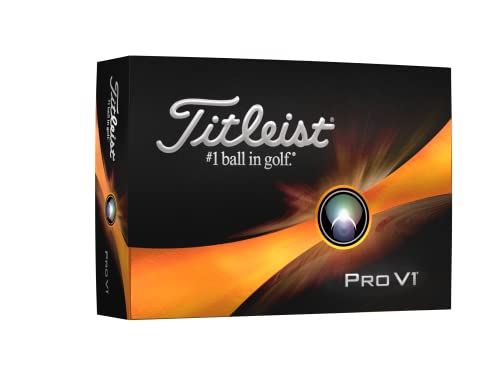
It’s wise to test balls from different manufacturers, as each brand has its unique technology aimed at optimizing distance. Leading names in the game, such as Titleist, Callaway, and TaylorMade, frequently release balls that claim to push the boundaries on length. Keep track of each ball’s performance under identical conditions to get a fair comparison. You might want to take note of how they perform in different weathers, too, since temperature and humidity can impact ball flight.
Understanding Scores and Shots
To really dial in on which ball suits your game for maximum distance, carry out tests for both your long and short game. Here’s a simple table that can help you keep track of your findings:
| Golf Ball Model | Average Drive Distance (yards) | Iron Shot Distance (yards) | Feel (scale of 1-10) |
|---|---|---|---|
| Ball A | 250 | 150 | 8 |
| Ball B | 255 | 145 | 7 |
| Ball C | 245 | 155 | 9 |
Remember, it’s not only about the numbers. How the ball feels when you make contact, and how it responds on the green can be just as crucial for your overall performance. So make sure to test putts, chips, and full wedge shots to assess the softer aspects of the golf ball’s character.
Golf is as much about feel as it is about technical prowess. After all, confidence in your equipment translates directly to performance. As you’re weaving through this testing process, pay attention to which balls give you that extra edge in confidence—sometimes, that alone can shave strokes off your round.
Conclusion: Choosing Your Perfect Long-Distance Golf Ball
Frequently Asked Questions
What influence do golf ball dimples have on distance?
The dimples on a golf ball reduce air resistance and enhance lift, allowing it to travel further than a smooth-surfaced ball.
How can I find the golf ball that offers the longest distance?
To find the golf ball that provides the longest distance for your game, it is recommended to perform Comparative testing using a launch monitor to measure ball speed, launch angle, and spin rates for various balls under identical conditions.
Can the golf ball design impact both long and short games?
Yes, golf ball design can affect both the long and short games. Testing should include both drive distances and response on the green to determine the best overall performance for an individual’s style of play.
Is it important to keep track of golf ball performance during testing?
Yes, keeping a record of performance metrics such as average drive distance and iron shot distance, as well as the feel of each ball, is crucial for accurate comparisons.
How does confidence in golf equipment affect performance?
Confidence in your golf equipment can significantly affect performance. Using a golf ball that suits your game can improve confidence, leading to better results on the course.